You can eat sweets and not develop diabetes. You can also eat a relatively healthy diet and still develop it. So what actually causes diabetes?
The answer is far more complicated than simply eating too much sugar.
Diabetes develops when the body's system for regulating blood glucose stops working properly. But the reason that system fails depends on the type of diabetes. Type 1 diabetes involves an autoimmune attack on the insulin-producing cells of the pancreas, while Type 2 diabetes is usually linked to insulin resistance, genetics, body composition, lifestyle, and the body's ability to keep up with insulin demands.
This is why saying "sugar causes diabetes" misses the bigger picture. Your genes, activity levels, weight, age, medical conditions, medications, and even pregnancy history can all influence your risk.
Understanding what causes diabetes matters because some risk factors cannot be changed, while others can be managed. Knowing the difference can help you focus on what you can actually do to protect your metabolic health.
How Diabetes Develops: Insulin and Blood Sugar Basics
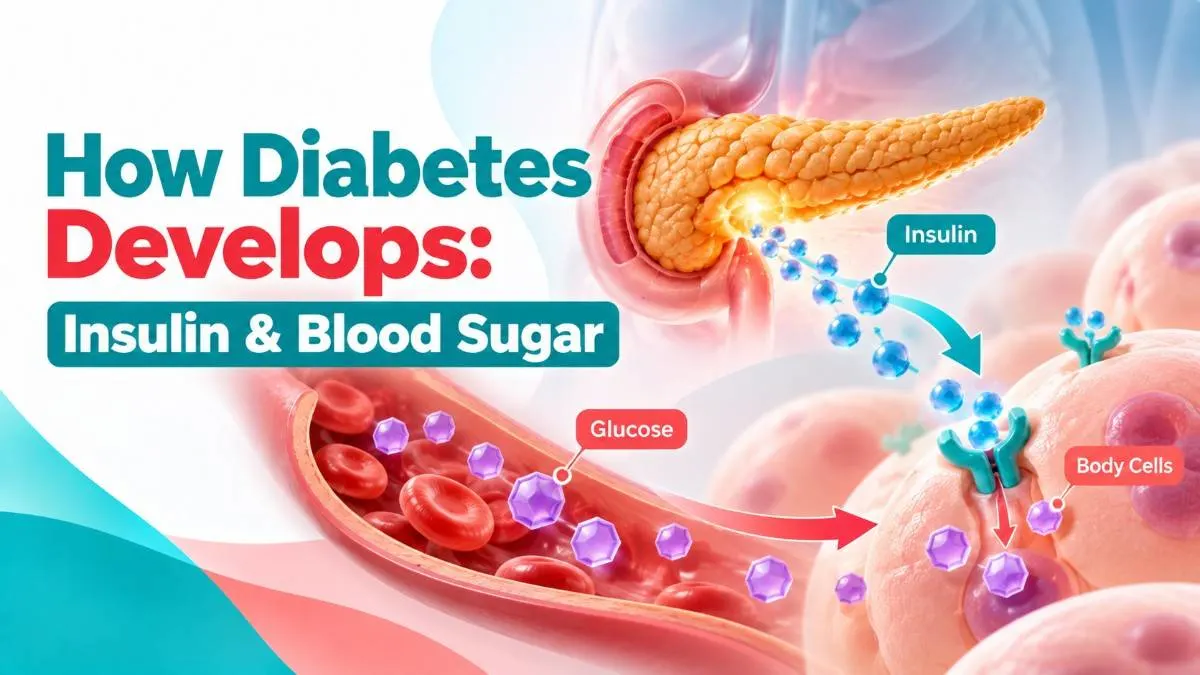
To understand diabetes, start with glucose and insulin.
When you eat, carbohydrates are broken down into glucose, which enters the bloodstream. Your pancreas produces insulin, a hormone that helps glucose move from the blood into cells, where it can be used for energy.
Diabetes develops when this system no longer works properly.
In Type 1 diabetes, the immune system destroys the pancreatic cells that produce insulin, leaving the body with little or no insulin. Without insulin, glucose cannot enter cells normally and blood sugar rises.
Type 2 daibetes usually begins differently. The body's cells become less responsive to insulin, a condition known as insulin resistance. The pancreas initially produces more insulin to compensate. Over time, however, it may no longer produce enough to keep blood glucose within a healthy range.
Lifestyle-Related Causes and Risk Factors

Lifestyle can strongly influence the risk of developing Type 2 diabetes, but it is important to use the right language.
An unhealthy diet or sedentary lifestyle does not independently cause diabetes in every person. Instead, these factors can contribute to weight gain, insulin resistance, and metabolic dysfunction, which can increase Type 2 diabetes risk.
1. Diet
A diet consistently high in highly processed foods, refined carbohydrates, sugary drinks, and excess calories can contribute to weight gain and poorer metabolic health. A balanced diet that includes vegetables, whole grains, pulses, lean protein, healthy fats, and appropriate portions can support healthier blood glucose and weight management.
2. Physical Inactivity
Muscles play an important role in glucose metabolism. Regular physical activity helps the body use glucose and can improve insulin sensitivity. In contrast, prolonged inactivity may contribute to insulin resistance and increase the risk of Type 2 diabetes, particularly when combined with other risk factors.
3. Overweight and Obesity
Excess body fat, particularly when there is substantial fat around the abdomen, is an important risk factor for Type 2 diabetes.
Over time, excess adiposity can make cells less responsive to insulin. The pancreas may compensate by producing more insulin, but this compensation may eventually become insufficient.
Weight is only one part of the picture, however. People at a healthy weight can also develop diabetes because genetics, insulin function, age, and other factors influence risk.
Genetic and Hereditary Causes
If diabetes runs in your family, your risk may be higher. Genes influence how the body produces insulin, responds to insulin, and regulates glucose metabolism. Type 1 diabetes also has a genetic component, although the disease involves an autoimmune process and environmental factors may contribute to triggering that response.
For Type 2 diabetes, family history is a well-established risk factor. Having a parent or sibling with Type 2 diabetes does not mean that you will definitely develop it, but it does increase your risk.
This is why two people with very similar eating habits and activity levels can have very different diabetes risks.
Other Risk Factors: Age, Stress and Medications
Diabetes risk is influenced by more than diet and genetics.
1. Age
The risk of Type 2 diabetes generally increases with age, although it can develop in children and younger adults as well. Rising rates of Type 2 diabetes in younger people make it important not to view diabetes as an exclusively older person's condition.
2. Chronic Stress
Stress itself should not be described as a direct, standalone cause of diabetes. However, chronic stress can influence behaviours and physiological processes that affect metabolic health.
Poor sleep, reduced physical activity, emotional eating, and hormonal changes associated with prolonged stress can all make blood glucose management more difficult.
For someone already at high risk, these effects may add to other metabolic challenges.
3. Certain Medications and Medical Conditions
Some medications can affect blood glucose levels or diabetes risk. Certain medical conditions can also increase the likelihood of developing diabetes.
This is why diabetes risk should always be assessed in the context of a person's complete medical history rather than attributed to one factor.
If you take a long-term medication and are concerned about its effect on blood sugar, discuss it with your healthcare professional rather than stopping it yourself.
Is Diabetes Caused by Lifestyle or Genetics?
The answer totally depends on the type of diabetes.
Type 1 diabetes is an autoimmune disease. The immune system attacks the pancreatic beta cells responsible for insulin production. Genetics contribute to susceptibility, while environmental factors may influence whether the autoimmune process develops.
Type 2 diabetes usually has a more complex cause. Genetics, insulin resistance, body weight, physical activity, dietary patterns, age, and other health factors can interact over time.
That is why saying diabetes is simply caused by "eating too much sugar" is inaccurate.
Sugar-sweetened drinks and excess calorie intake can contribute to risk, particularly through weight gain and metabolic dysfunction, but they are only part of a much larger picture.
Conclusion
There is no single answer to what causes diabetes.
For Type 1 diabetes, the central problem is autoimmune destruction of insulin-producing cells. For Type 2 diabetes, insulin resistance develops through a complex interaction of genetics, body composition, physical activity, diet, age, and other factors.
Understanding this distinction matters because it replaces blame with useful information.
You cannot change your genes or your age. But you may be able to influence several modifiable factors through healthier eating, regular physical activity, weight management, adequate sleep, and appropriate medical care.
At Metabulix, we focus on understanding the factors behind your metabolic health rather than treating diabetes as a single-cause problem. Personalised nutrition and lifestyle guidance can help you address the risk factors you can change while working alongside appropriate medical care.
FAQs
Q: What is the main cause of diabetes?
There is no single cause. Type 1 diabetes results from an autoimmune attack on insulin-producing pancreatic cells, while Type 2 diabetes develops largely through insulin resistance combined with insufficient insulin production and is influenced by genetics, body composition, lifestyle, and other risk factors.
Q: Can eating too much sugar cause diabetes?
Eating sugar does not directly cause diabetes by itself. However, regularly consuming large amounts of added sugar-particularly from sugar-sweetened beverages-can contribute to excess calorie intake, weight gain, and insulin resistance, thereby increasing the risk of type 2 diabetes. Overall dietary pattern, physical activity, family history, age, adiposity, and other risk factors also influence risk.
Q: Is diabetes caused by lifestyle or genetics?
Both can play a role, particularly in Type 2 diabetes. Family history and genetic susceptibility can increase risk, while factors such as physical inactivity, excess weight, and dietary patterns can also contribute. Type 1 diabetes is primarily an autoimmune condition with genetic and environmental influences.
Q: Can stress cause diabetes?
Stress should not be considered a single direct cause of diabetes. However, chronic stress can influence sleep, eating patterns, physical activity, and other factors that may make blood glucose regulation more difficult, particularly in people who are already at risk.
Q: Can diabetes be caused by medication?
Some medications can affect blood glucose or increase diabetes risk in certain people. The effect depends on the specific medicine, dose, duration, and individual health factors. Never stop a prescribed medication because of concerns about blood sugar without discussing it with your healthcare professional.