What if one blood test could tell you how your blood sugar has been behaving for the past three months, not just what it looks like today?
That is what makes the HbA1c test so useful.
A fasting blood sugar test gives you a snapshot of your glucose at one particular point in time. HbA1c offers a much broader picture by showing your average blood glucose over approximately the previous two to three months. It is used to help diagnose prediabetes and Type 2 diabetes and is also an important tool for monitoring people who already have diabetes.
Because the test does not usually require fasting, it is also convenient. But an HbA1c result is more than just a percentage on a report. Understanding the HbA1c normal range, what different levels mean, and when the result may need further investigation can help you make better decisions about your metabulix health.
What is the HbA1c test?
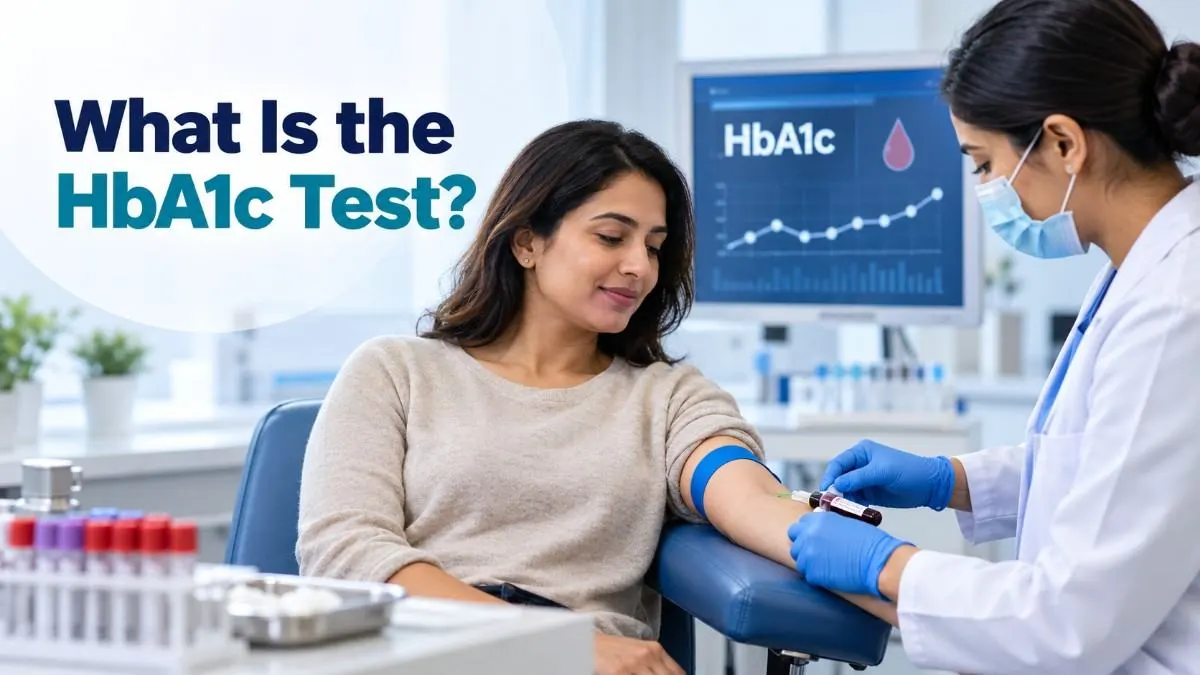
HbA1c stands for glycated haemoglobin.
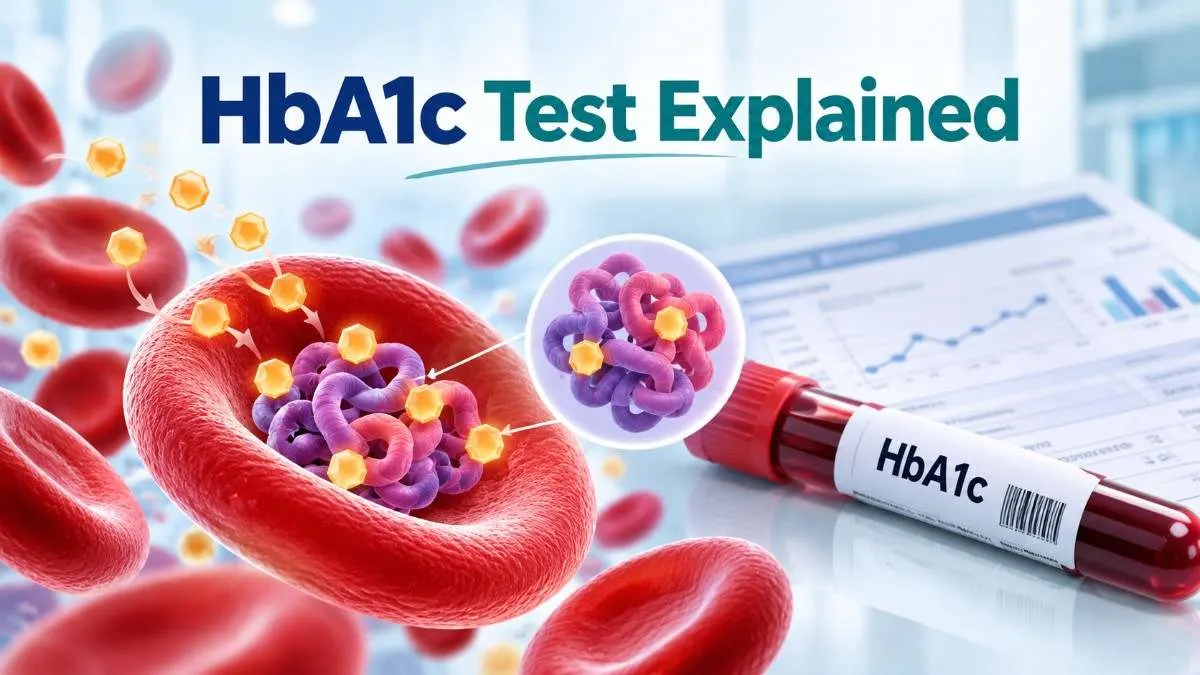
Haemoglobin is the protein inside red blood cells that carries oxygen. When glucose circulates in the bloodstream, some of it naturally attaches to haemoglobin. The higher your blood glucose tends to be over time, the more glucose becomes attached to haemoglobin.
The HbA1c test measures this percentage.
Because red blood cells typically remain in circulation for about three months, the result provides an estimate of your average blood glucose during that period. It does not show every rise and fall in your blood sugar, but it gives your healthcare professional a useful picture of your overall glucose control.
This is why HbA1c can sometimes reveal a blood sugar problem that a single fasting reading may not fully capture.
Normal, prediabetes and diabetes HbA1c ranges
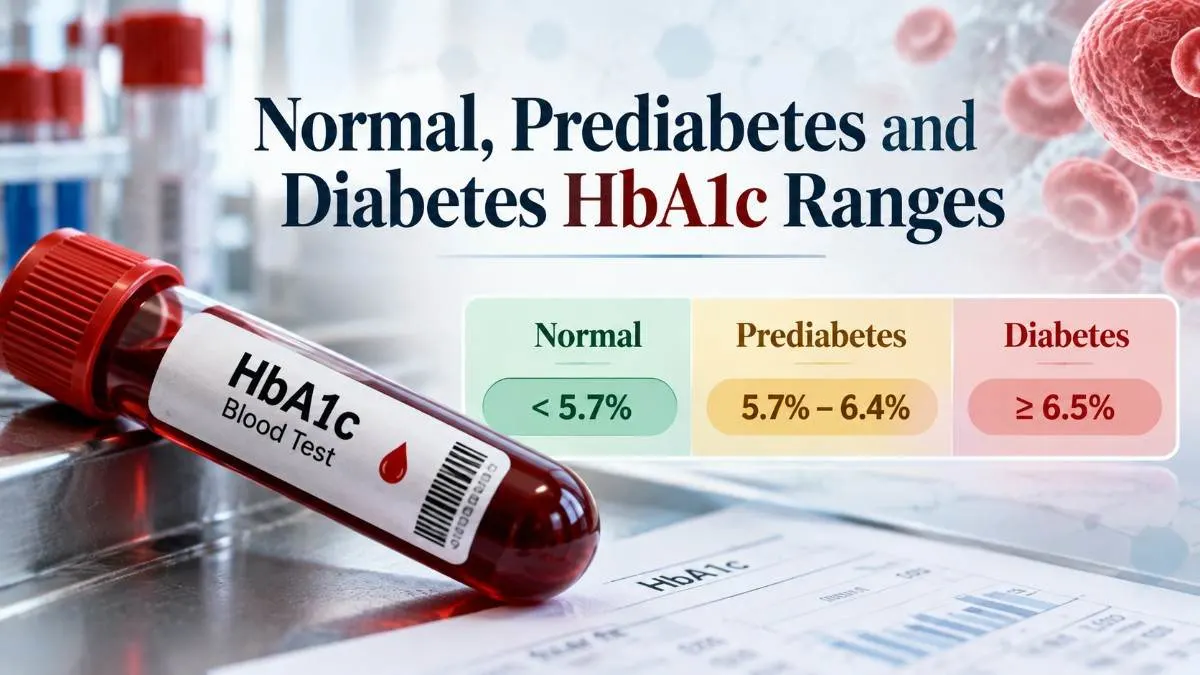
The standard HbA1c levels chart is divided into three broad categories for diagnosis in most nonpregnant adults.
HbA1c result | What it generally means |
Below 5.7% | Normal range |
5.7% to 6.4% | Prediabetes |
6.5% or higher | Diabetes |
An HbA1c below 5.7% is generally considered normal. A result between 5.7% and 6.4% falls in the prediabetes range, while 6.5% or above meets the laboratory criterion for diabetes. When there are no clear symptoms of hyperglycaemia, an abnormal diagnostic result generally needs appropriate confirmation before a diagnosis is made.
Prediabetes is not the same as diabetes. However, it indicates that blood glucose is already above the healthy range and that the risk of developing Type 2 diabetes is higher.
This makes an elevated HbA1c an opportunity to act rather than simply a number to worry about.
What does your HbA1c level actually tell you?
An HbA1c result does not tell you exactly what your blood sugar was at every moment during the previous three months. Instead, think of it as an overall picture.
For example, two people could have a similar HbA1c while experiencing very different daily glucose patterns. One may have relatively steady blood sugar, while another may experience significant highs and lows that average out to a similar result.
That is why people managing diabetes may use HbA1c alongside home glucose monitoring or continuous glucose monitoring when appropriate. The HbA1c result provides the long-term view, while glucose monitoring can show what is happening throughout the day.
How is the HbA1c test done?
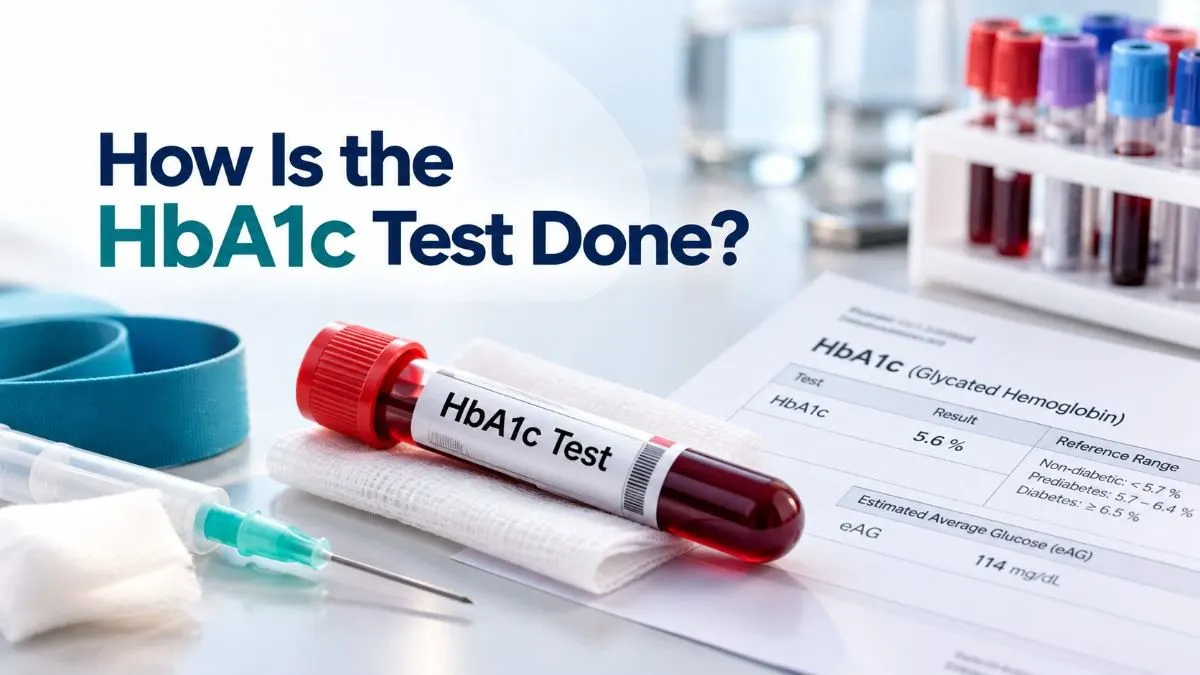
The test itself is simple. A blood sample is usually collected from a vein, although some healthcare settings may use an appropriate point-of-care HbA1c test.
One of the biggest advantages is that the HbA1c test does not normally require fasting. You can generally eat and drink as usual before the test unless your healthcare professional has given different instructions because other blood tests are being performed at the same time.
The result is reported as a percentage. In general, a higher percentage indicates higher average blood glucose over the preceding months.
However, the result should always be interpreted in context rather than treated as a standalone diagnosis.
How often should HbA1c be tested?
The answer depends on why you are having the test.
For people with diabetes who are meeting their treatment goals and have stable glucose control, the ADA recommends assessing glycaemic status at least twice a year. When glucose goals are not being met, treatment has recently changed, or other factors are affecting control, testing approximately every three months may be appropriate.
For people with prediabetes, the ADA recommends testing at least annually, although the exact timing may depend on individual risk.
Your healthcare professional may recommend a different schedule based on your condition, medications, symptoms, and overall health.
HbA1c levels for people with diabetes
A common source of confusion is the difference between an HbA1c level used to diagnose diabetes and an HbA1c treatment target.
An HbA1c of 6.5% or higher can meet the diagnostic criterion for diabetes. But once someone has been diagnosed, the goal is not necessarily to bring everyone to exactly the same number.
For many nonpregnant adults with diabetes, an HbA1c goal below 7% is commonly used. However, treatment goals are individualised according to factors such as age, duration of diabetes, other medical conditions, risk of hypoglycemia, and treatment preferences.
A lower number is not automatically better if achieving it creates a significant risk of hypoglycemia or becomes unrealistic to maintain.
The right target is the one that is appropriate and safe for the individual.
What can affect an HbA1c result?
Although HbA1c is a highly useful test, it does not work perfectly in every situation.
Conditions that affect red blood cells or haemoglobin can alter the result. Certain forms of anaemia, haemoglobin variants, and conditions that change how quickly red blood cells are replaced can make HbA1c less reliable.
This is especially important when an HbA1c result does not match a person's blood glucose readings or clinical symptoms.
In such cases, a healthcare professional may recommend additional glucose testing rather than relying on HbA1c alone.
How to lower your HbA1c naturally?

If your HbA1c is elevated, the goal should be sustainable glucose management rather than a short-term crash diet.
Build Balanced Meals
Focus on meals that combine fibre-rich foods, protein, vegetables, and appropriate portions of carbohydrates. For Indian diets, this can mean balancing rice or roti with dal, vegetables, curd, paneer, eggs, fish, or other suitable protein sources rather than eliminating carbohydrates completely.
Stay physically active
Regular movement helps muscles use glucose and can improve insulin sensitivity. Walking, resistance training, or other forms of exercise suited to your health and fitness level can support better long-term glucose control.
Prioritise sleep
Poor or insufficient sleep can affect appetite, insulin sensitivity, and overall metabolic health. Consistent sleep should therefore be part of any plan to improve blood sugar.
Focus on consistency
Your HbA1c reflects repeated blood glucose patterns over several weeks. One healthy meal or one intense workout cannot change it overnight.
Small, sustainable habits followed consistently are more useful than extreme changes that are difficult to maintain.
If medication has been prescribed, lifestyle changes should complement rather than replace your treatment unless your healthcare professional advises otherwise.
What is the HbA1c test cost?
The HbA1c test cost varies depending on the city, diagnostic laboratory, facility, and whether the test is performed as part of a larger health package.
Because prices can change, it is better to check the current fee with the specific laboratory or healthcare provider before booking the test.
The more important consideration is choosing a reliable laboratory and ensuring the result is interpreted in the right clinical context.
When should you discuss an HbA1c test with a doctor?
You may want to discuss an HbA1c test if you have symptoms of diabetes, a family history of Type 2 diabetes, overweight or obesity, PCOS, high blood pressure, physical inactivity, or other recognised risk factors.
For adults without diabetes symptoms, the ADA recommends screening beginning at age 35, with earlier testing for people with overweight or obesity who have additional risk factors.
If you already have diabetes, regular HbA1c testing helps your healthcare team understand whether your current diabetes management plan is working and whether any changes are needed.
Conclusion
The HbA1c test answers a question that a single blood sugar reading cannot: what has your glucose been doing over the past few months?
An HbA1c below 5.7% is generally considered normal, 5.7% to 6.4% indicates prediabetes, and 6.5% or higher meets the diagnostic threshold for diabetes when appropriately confirmed. For people already diagnosed with diabetes, the ideal treatment target is personalised rather than the same for everyone.
An HbA1c result should not be viewed as a pass or fail. It is a tool that helps you understand your metabolic health and decide what needs attention.
At Metabulix, we look beyond a single number. Our personalised approach combines nutrition, lifestyle guidance, and evidence-based diabetes care to help you build sustainable habits around your individual glucose goals and everyday routine.
FAQs
What is a normal HbA1c level?
For most nonpregnant adults, an HbA1c below 5.7% is considered normal. A result between 5.7% and 6.4% is in the prediabetes range, while 6.5% or higher meets the diagnostic criterion for diabetes when appropriately confirmed.
How often should HbA1c be tested?
For people with diabetes who have stable glucose control and are meeting their treatment goals, HbA1c or another accepted glycemic assessment is generally performed at least twice a year. Testing about every three months may be appropriate when treatment changes or glucose goals are not being met.
Does HbA1c require fasting?
No. HbA1c normally does not require fasting because it measures glucose attached to hemoglobin rather than the glucose level in your bloodstream at one particular moment.
What HbA1c level indicates diabetes?
An HbA1c of 6.5% or higher meets the diagnostic criterion for diabetes. When there are no unequivocal symptoms of high blood sugar, an abnormal result generally needs appropriate confirmation before diagnosis.
How can I lower my HbA1c naturally?
A balanced, fibre-rich diet, regular physical activity, healthy sleep, appropriate portion sizes, weight management when needed, and consistent adherence to prescribed treatment can support healthier blood glucose levels. The most appropriate approach depends on your individual health profile.