Can you have diabetes and feel completely healthy? Yes.
That is one of the most important things to understand about Type 2 diabetes.
You can wake up feeling normal, go to work, exercise occasionally, eat your usual meals, and have no obvious symptoms while blood glucose remains higher than it should be.
The problem is not always that symptoms are absent. Sometimes they are so mild that they don't feel important enough to investigate
A little extra tiredness may be blamed on work. Slightly increased thirst may be blamed on the weather. Blurry vision may be attributed to screen time. Some people never connect these changes with blood sugar at all.
According to NIDDK, Type 2 diabetes symptoms often develop slowly and can be so mild that people may not notice them. Many people have no symptoms when the condition is developing.
What Is Silent (Asymptomatic) Diabetes?
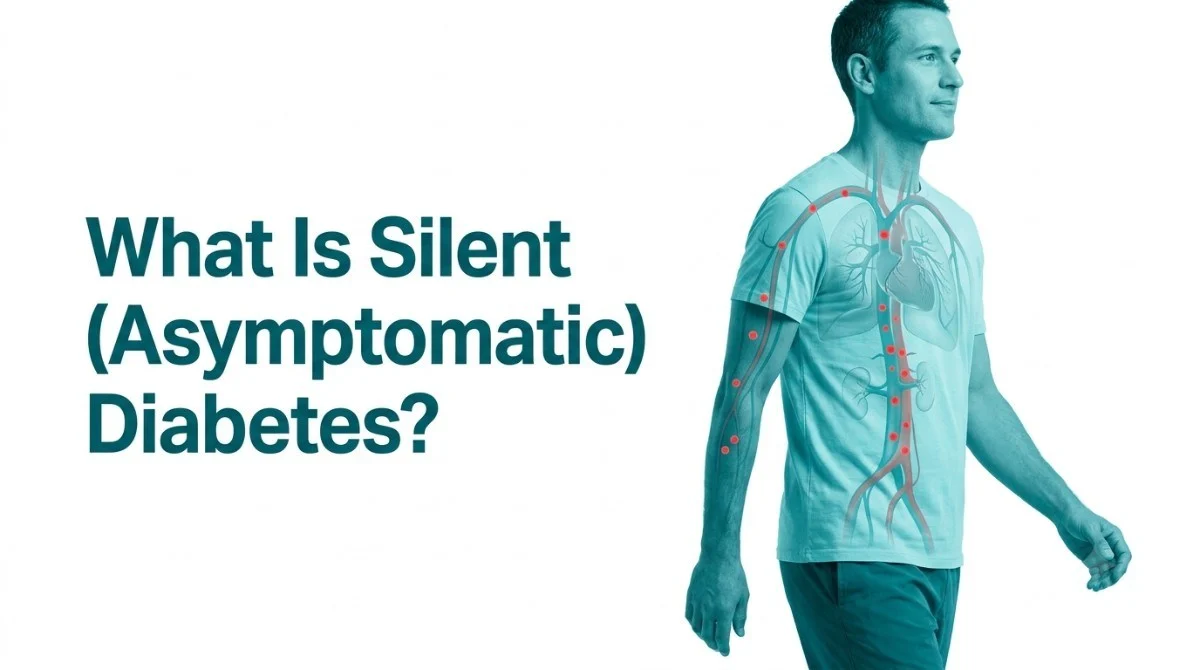
Silent or asymptomatic diabetes simply means that a person has diabetes without noticing clear symptoms.
This does not mean that high blood sugar is doing nothing.
Glucose that remains elevated over time can affect blood vessels, nerves, kidneys, eyes, and the cardiovascular system even when a person feels perfectly well.
This is why symptoms alone cannot be used to rule out diabetes.
Someone with frequent thirst and urination may need testing, but so might someone who feels completely healthy yet has significant risk factors.
In many cases, asymptomatic diabetes is discovered during routine blood tests or while investigating another health concern.
Why Can Diabetes Go Undetected for Years?
Type 2 diabetes often develops gradually. Early insulin resistance may not produce noticeable symptoms because the pancreas can initially compensate by producing more insulin. As insulin resistance progresses and blood glucose rises further, symptoms may become more noticeable.
Even then, they may be mistaken for normal lifestyle changes.
A person may feel slightly more tired than usual without feeling seriously unwell. They may start urinating a little more often but not consider it unusual. Someone else may notice blurred vision only occasionally.
This is how hidden diabetes symptoms can remain in the background for a long time.
Another reason is that many people do not have regular health checks. Without blood glucose testing, there may be no obvious reason to suspect a metabolic problem.
Common Subtle Signs You May Overlook
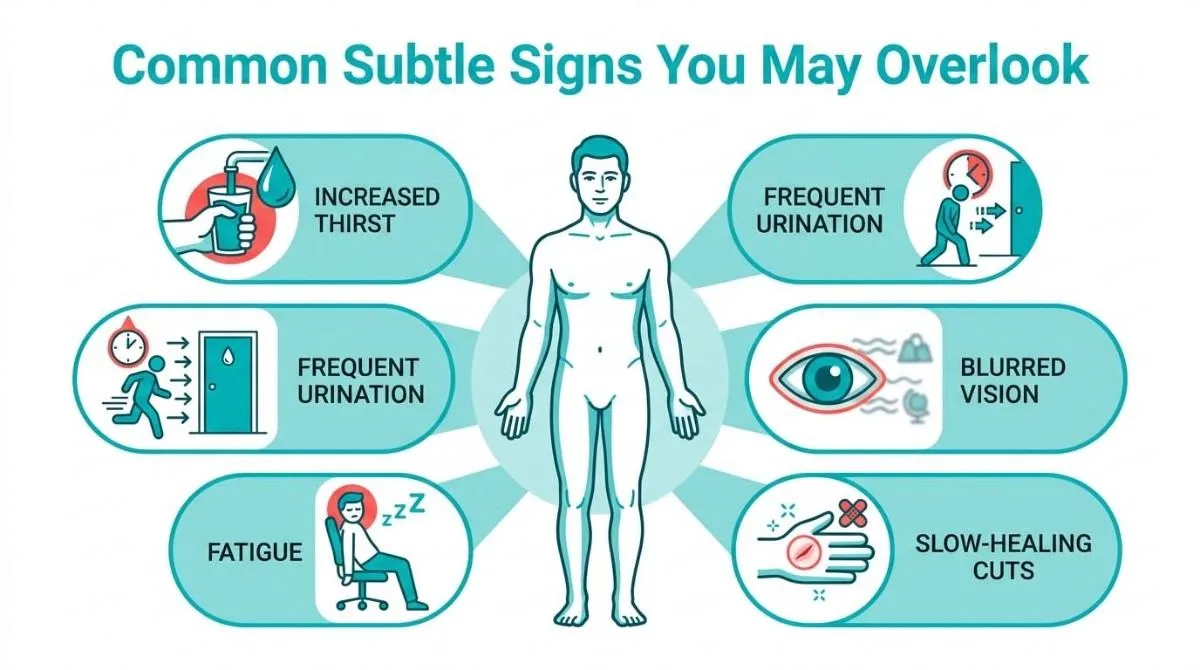
The classic symptoms of diabetes include increased thirst, frequent urination, increased hunger, fatigue, blurred vision, unexplained weight loss, slow-healing sores, and tingling or numbness in the hands or feet.
But these symptoms do not always appear dramatically.
You may notice that you're drinking more water without understanding why. You may start waking up more often at night to urinate. Your energy may gradually decline, or minor cuts may take longer to heal.
Some people experience recurring infections or changes in vision.
None of these automatically mean diabetes. They can have several other causes. But when multiple changes appear together, they become more important to investigate.
Risks of Undiagnosed Diabetes
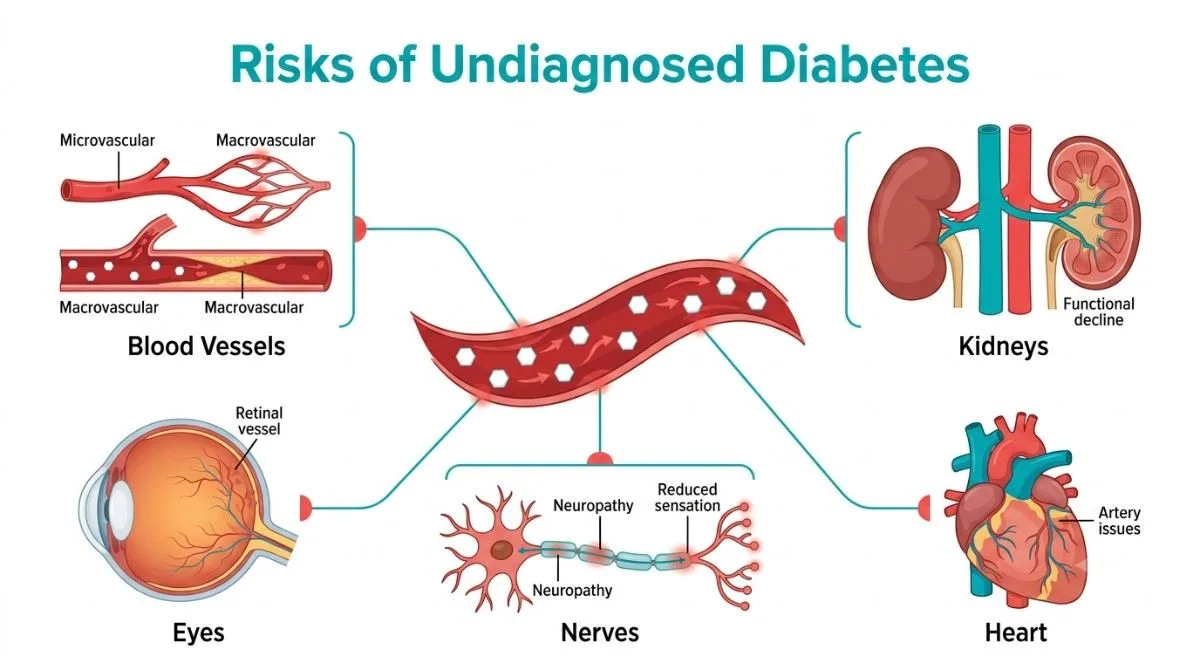
The greatest concern with undiagnosed diabetes is not simply one high blood sugar reading. It is prolonged exposure to elevated glucose
It is the prolonged exposure to elevated glucose.
Over time, high blood sugar can damage blood vessels and nerves, increasing the risk of complications involving the kidneys, eyes, heart, and nervous system.
Because these changes can develop gradually, a person may have diabetes-related damage or elevated cardiovascular risk before noticeable symptoms appear.
Early diagnosis provides an opportunity to address blood sugar, nutrition, physical activity, weight, blood pressure, and other risk factors before complications become more advanced.
This is why identifying diabetes early is about more than treating symptoms. It is about protecting long-term health.
How Is Silent Diabetes Detected?
Since symptoms may be absent, routine screening is an important part of identifying Type 2 diabetes and prediabetes in people at higher risk.
Common tests include HbA1c, fasting plasma glucose, and the oral glucose tolerance test. If a test shows diabetes-range results in someone without classic symptoms, the result generally needs confirmation with repeat testing unless there is clear diagnostic evidence.
A home glucose meter can be useful for monitoring blood sugar, but a single home reading should not be used to diagnose diabetes. Proper diagnosis should be based on appropriate clinical testing.
The right screening schedule depends on your age, health history, weight, family history, previous pregnancy-related diabetes, and other risk factors.
Who Should Consider Diabetes Screening?
You may benefit from discussing diabetes screening with your healthcare professional if you have a family history of Type 2 diabetes, overweight or obesity, high blood pressure, abnormal cholesterol levels, limited physical activity, PCOS, or a previous history of gestational diabetes.
Women who have had gestational diabetes are at increased risk of developing Type 2 diabetes later in life, which is why ongoing follow-up is important.
Screening is also particularly useful when subtle symptoms are present, even if they seem unrelated.
Conclusion
Can you have diabetes with no symptoms? Absolutely.
That is why waiting for thirst, frequent urination, weight loss, or fatigue is not always the best approach.
Silent diabetes can remain unnoticed while high blood sugar gradually affects the body. For people with risk factors, regular screening can detect prediabetes or diabetes before obvious symptoms develop and may help reduce the risk of complications through earlier management.
The goal is not to become concerned about every minor change. It is to recognise when your risk profile or combination of symptoms justifies a simple blood test.
At Metabulix, we focus on personalised metabolic health rather than waiting for problems to become severe. Through practical nutrition, lifestyle guidance, and personalised diabetes management programs, we help people understand their blood sugar and make sustainable changes suited to their everyday lives.
Frequently Asked Questions
Q: Can you have diabetes with no symptoms?
Yes. Type 2 diabetes can develop gradually, and some people have no noticeable symptoms for years. Others experience symptoms so mildly that they do not recognise them as related to blood sugar.
Q: How is silent diabetes detected?
Silent diabetes is usually identified through blood tests such as HbA1c, fasting plasma glucose, or an oral glucose tolerance test. These tests can detect abnormal blood glucose even when a person does not have noticeable symptoms.
Q: Is it dangerous to have diabetes without symptoms?
Yes. The absence of symptoms does not mean that high blood sugar is harmless. Undiagnosed diabetes can continue affecting blood vessels, nerves, kidneys, eyes, and the cardiovascular system over time.
Q: How often should I get tested if I have no symptoms?
There is no single testing schedule that applies to everyone. Your healthcare professional can recommend screening based on your age, weight, family history, blood pressure, PCOS, previous gestational diabetes, and other risk factors. At-risk people may need periodic testing even when they feel healthy.
Q: Can silent diabetes cause organ damage?
Yes. High blood sugar can gradually damage blood vessels and nerves and increase the risk of kidney disease, eye problems, cardiovascular disease, and other complications. This can happen even before a person notices obvious symptoms, which is why early detection matters.