You may have heard of insulin-resistant PCOS, inflammatory PCOS, adrenal PCOS, or post-pill PCOS and wondered which type you have.
PCOS can look different from one person to another, which is why these terms are often used to describe different patterns. But before identifying a "type", it is important to understand what PCOS actually means.
What Is PCOS?
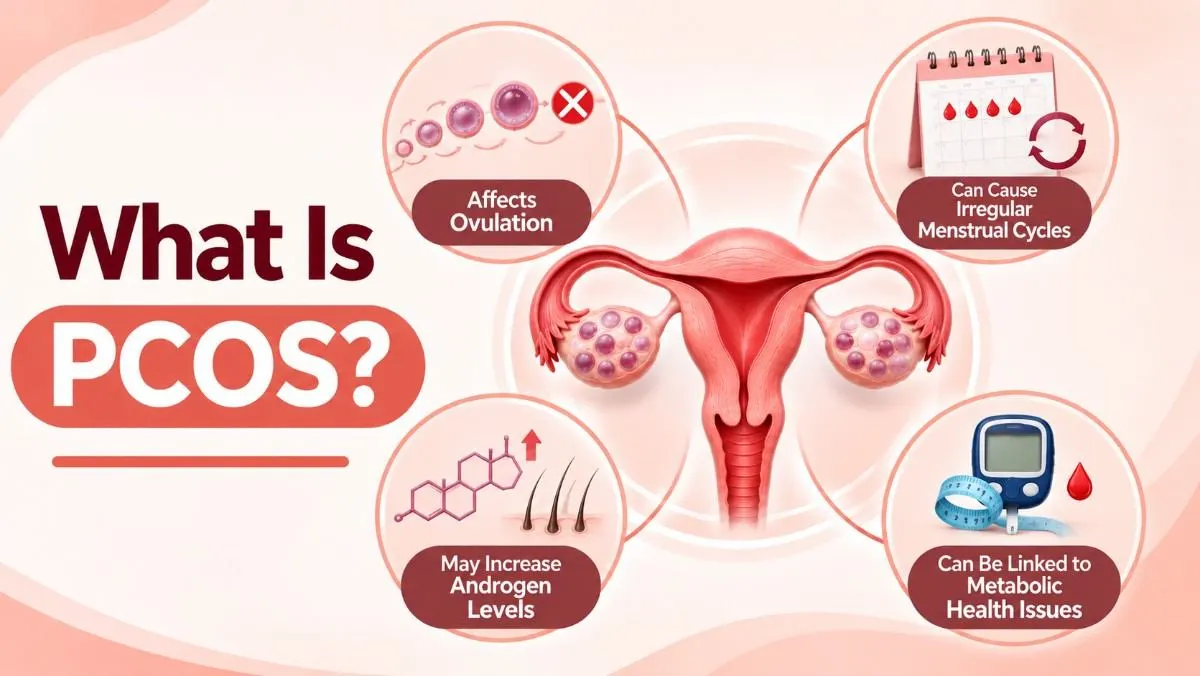
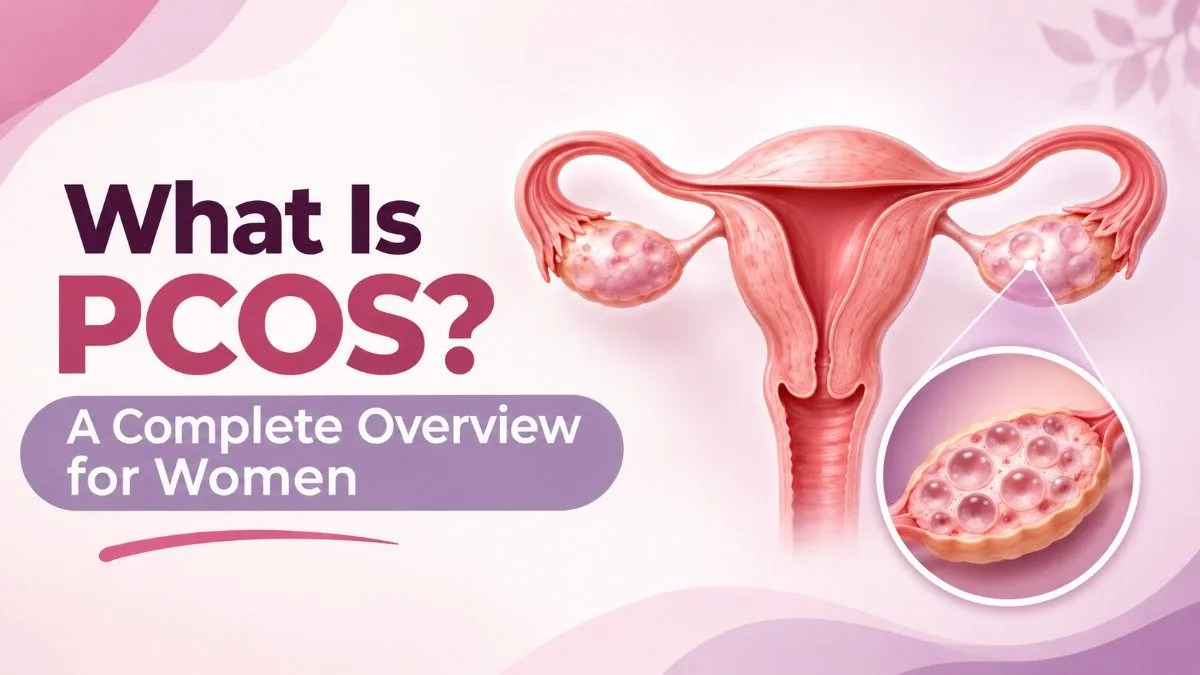
Polycystic Ovary Syndrome (PCOS) is a hormonal condition that can affect ovulation, menstrual cycles, androgen levels, fertility, and metabolic health.
Common symptoms can include irregular or missed periods, excess facial or body hair, acne, scalp hair thinning, difficulty with ovulation, and metabolic changes. However, not every woman with PCOS experiences the same symptoms.
There is no single test for PCOS. In adults, doctors assess menstrual and ovulatory patterns, signs or biochemical evidence of hyperandrogenism, and ovarian morphology when appropriate, while also ruling out other possible causes. In adults, PCOS is generally diagnosed when at least two of these three features are present, after other possible causes have been excluded: hyperandrogenism, ovulatory dysfunction, and polycystic ovarian morphology.
Why PCOS Isn't a One-Size-Fits-All Condition
PCOS does not look exactly the same in every woman.
Some women may mainly experience irregular periods and elevated androgen levels. Others may have acne, excess hair growth, difficulty with ovulation, or metabolic concerns such as insulin resistance.
This variation is why you may come across different PCOS phenotypes or terms such as insulin-resistant, inflammatory, adrenal, and post-pill PCOS.
However, there is an important distinction. Current clinical guidelines do not classify PCOS into four official subtypes called insulin-resistant, inflammatory, pill-induced, or hidden PCOS. Instead, doctors look at the combination of symptoms, hormone levels, ovulation, and ovarian features when assessing PCOS.
So, these terms can help describe certain patterns, but they should not be treated as four separate forms of the condition.
Insulin-Resistant PCOS
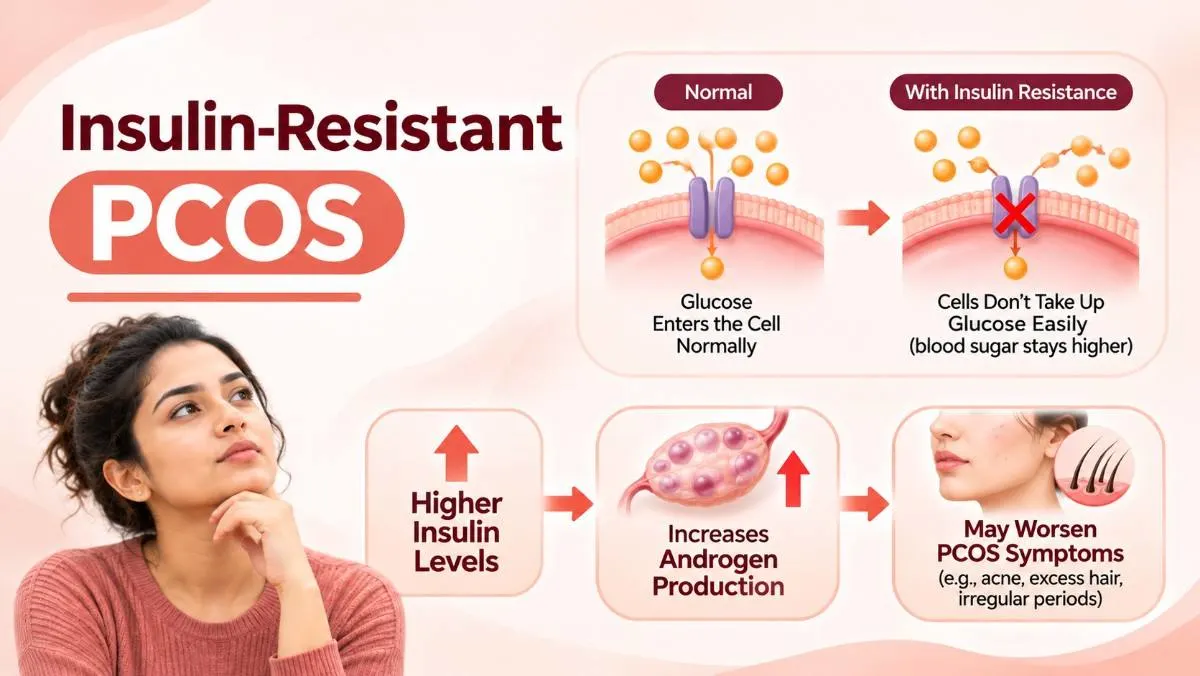
'Insulin-resistant PCOS' is one of the most commonly discussed terms when talking about PCOS and metabolic health.
Insulin is a hormone that helps the body use glucose for energy. When the body's cells become less responsive to insulin, the body may produce more insulin to compensate. In PCOS, insulin resistance can contribute to higher insulin levels and may influence androgen production and ovulatory function in some people with PCOS.
Some women with PCOS may also have metabolic risk factors such as insulin resistance or abnormal blood glucose levels. However, insulin resistance is not present in every woman with PCOS, so it should not be used to define a separate PCOS type.
What can help?
Management depends on your individual health needs. It may include:
Balanced nutrition
Regular physical activity
Healthy sleep habits
Weight management where appropriate
Monitoring blood sugar and other metabolic markers
Medication when recommended by a doctor
The goal is not simply to eliminate one particular food. It is to improve overall metabolic health and manage the PCOS features that affect you.
Inflammatory PCOS
Inflammatory PCOS is another term commonly found in online discussions about different types of PCOS.
The term is generally used to describe PCOS in people who may have inflammation or other metabolic concerns alongside their hormonal symptoms. PCOS can be associated with low-grade inflammation, but inflammatory PCOS is not an officially recognized clinical subtype.
It is also important not to assume that symptoms such as headaches, skin problems, vitamin deficiencies, or food sensitivities automatically mean someone has “inflammatory PCOS.”
Instead, these symptoms should be assessed individually.
A healthy lifestyle, adequate sleep, regular movement, balanced nutrition, and appropriate management of other health conditions can support overall health.
Adrenal PCOS
The term ‘adrenal PCOS’ is sometimes used online when adrenal androgens, such as DHEA-S, appear to contribute to androgen excess. However, it is not a separate clinical subtype of PCOS.
The adrenal glands produce hormones, including DHEA-S, an androgen that can be measured through blood testing. Some women with PCOS may have elevated adrenal androgens.
However, having elevated DHEA-S does not automatically mean that you have a separate “adrenal type” of PCOS.
Doctors may assess androgen levels along with symptoms such as:
Excess facial or body hair
Acne
Scalp hair thinning
Irregular periods
Other signs of androgen excess
If androgen levels are unusually high or symptoms develop rapidly, your doctor may investigate other possible causes as well. So rather than trying to diagnose yourself with adrenal PCOS, it is more useful to understand which hormones are elevated and what may be contributing to your symptoms.
Post-Pill PCOS
Post-Pill PCOS is a term often used when irregular periods or other PCOS-like symptoms appear after stopping hormonal birth control.
However, stopping birth control pills does not automatically mean that a woman has developed PCOS.
Hormonal contraception can affect menstrual patterns and hormone measurements. In some women, symptoms that were previously less noticeable may become apparent after stopping the pill.
If your periods remain irregular after stopping hormonal contraception, a doctor can evaluate whether PCOS is present or whether another condition may be responsible.
PCOS Phenotypes and Classification
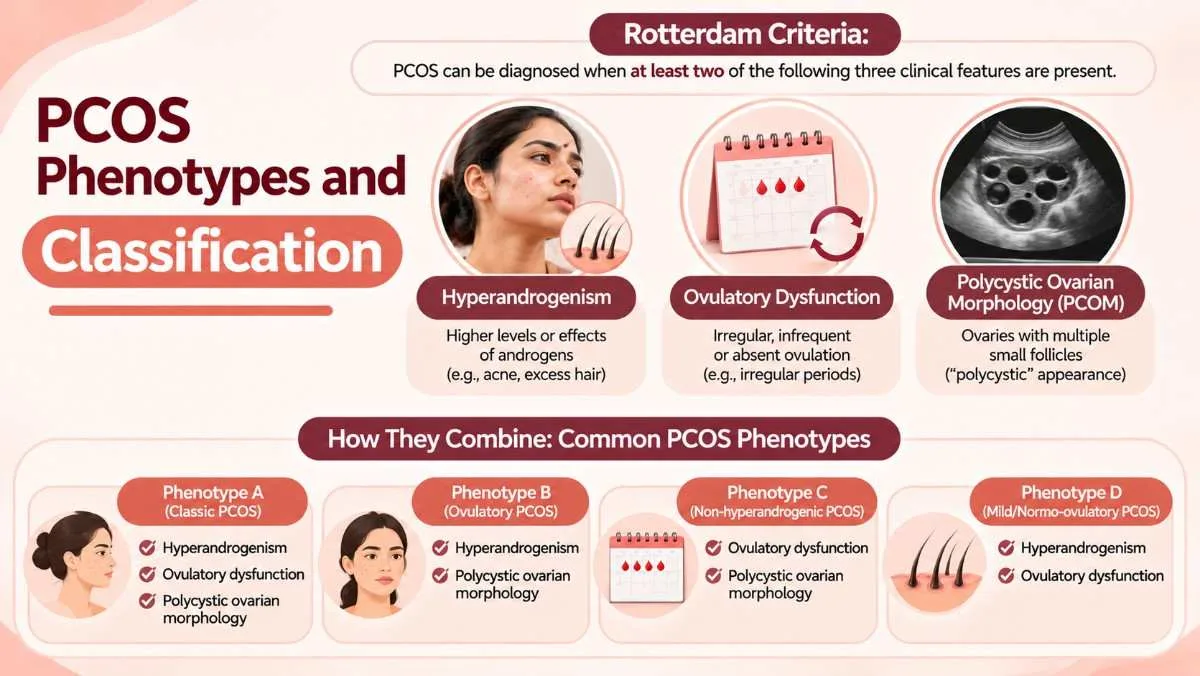
If you have searched for PCOS phenotypes, you may have come across the term Rotterdam criteria. In adults, the Rotterdam criteria describe PCOS using combinations of three main features:
Hyperandrogenism
Ovulatory dysfunction
Polycystic ovarian morphology
Different combinations of these features can result in different clinical presentations.
For example, one woman may have irregular ovulation and elevated androgen levels, while another may have all three features. This is one reason two women with PCOS can have very different symptoms. Thinking about PCOS in terms of clinical features and phenotypes is more useful than trying to place every woman into one fixed "type".
How Your Type Affects Treatment
Since the commonly discussed PCOS types are not official clinical subtypes, treatment is not based simply on whether someone has “insulin-resistant” or “inflammatory” PCOS.
Instead, treatment is personalised according to your symptoms, metabolic health, reproductive plans, and other medical factors.
Managing irregular periods
Hormonal contraceptives may be recommended to regulate menstrual cycles and manage symptoms such as acne or excess hair when pregnancy is not currently desired.
Managing metabolic health
Balanced nutrition, regular physical activity, adequate sleep, and appropriate weight management can support metabolic health. In some women, medication such as metformin may also be considered.
Managing androgen-related symptoms
Acne, excess facial or body hair, and scalp hair thinning can be managed through different medical and cosmetic approaches depending on the severity of symptoms.
Supporting fertility
If PCOS is affecting ovulation and pregnancy is desired, fertility treatment may be recommended.
Ovulation-induction medicines can help some women ovulate regularly, while treatments such as IUI or IVF may be considered depending on individual circumstances.
Monitoring long-term health
PCOS can also be associated with metabolic concerns, so doctors may recommend monitoring factors such as blood glucose, blood pressure, and cholesterol based on individual risk.
Can You Have More Than One Type of PCOS?
You may have several PCOS features at the same time.
For example, a woman may have irregular periods, elevated androgen levels, and insulin resistance. Another woman may have irregular ovulation and acne without the same metabolic concerns.
This is why PCOS is better understood as a condition with different combinations of clinical features, rather than four completely separate types.
Your symptoms can also change over time, which means your treatment needs may change as well.
How Do Doctors Determine Your PCOS Type?
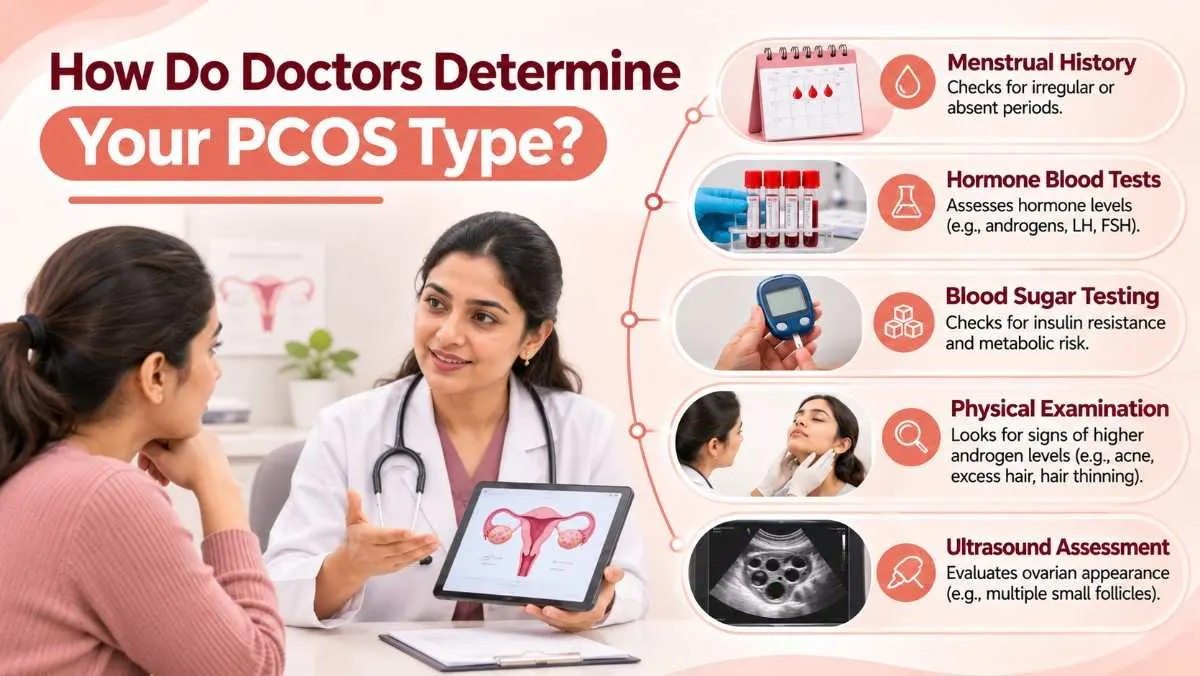
There is no single test that tells you which “type” of PCOS you have.
Instead, your doctor may consider:
Menstrual cycle history
Ovulation patterns
Symptoms such as acne or excess hair growth
Androgen levels
Blood sugar and metabolic health
Medical history
Physical examination
Ultrasound when appropriate
Other tests to rule out similar conditions
This is important because symptoms that look like PCOS can sometimes have other causes. A proper medical assessment helps identify what is actually contributing to your symptoms.
Conclusion
There is no single way PCOS looks or feels. Terms such as 'insulin-resistant PCOS', 'inflammatory PCOS', 'adrenal PCOS', and post pill PCOS are often used to describe different patterns, but they are not four official clinical types.
What matters most is understanding your individual hormonal, reproductive, and metabolic health. With proper diagnosis and personalised care, your treatment can focus on the symptoms and health concerns that matter most to you.