Irregular periods, persistent acne, unwanted facial hair, or unexplained changes in weight can be concerning during the teenage years. But because puberty itself causes major hormonal and menstrual changes, it can sometimes be difficult to know what is normal and what may need further evaluation.
PCOS can occur in teenagers, but diagnosing it during adolescence requires a careful approach. Understanding the signs, diagnosis process, and available treatment options can help teenagers and their families seek appropriate care without jumping to conclusions.
What Is PCOS?
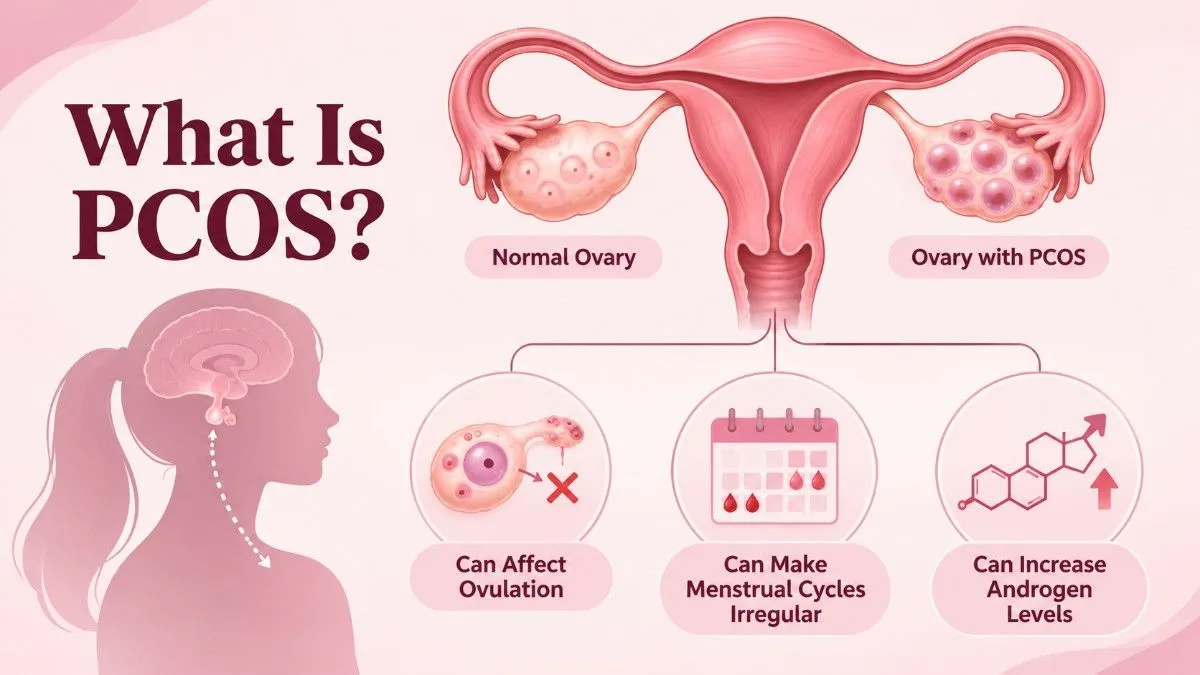
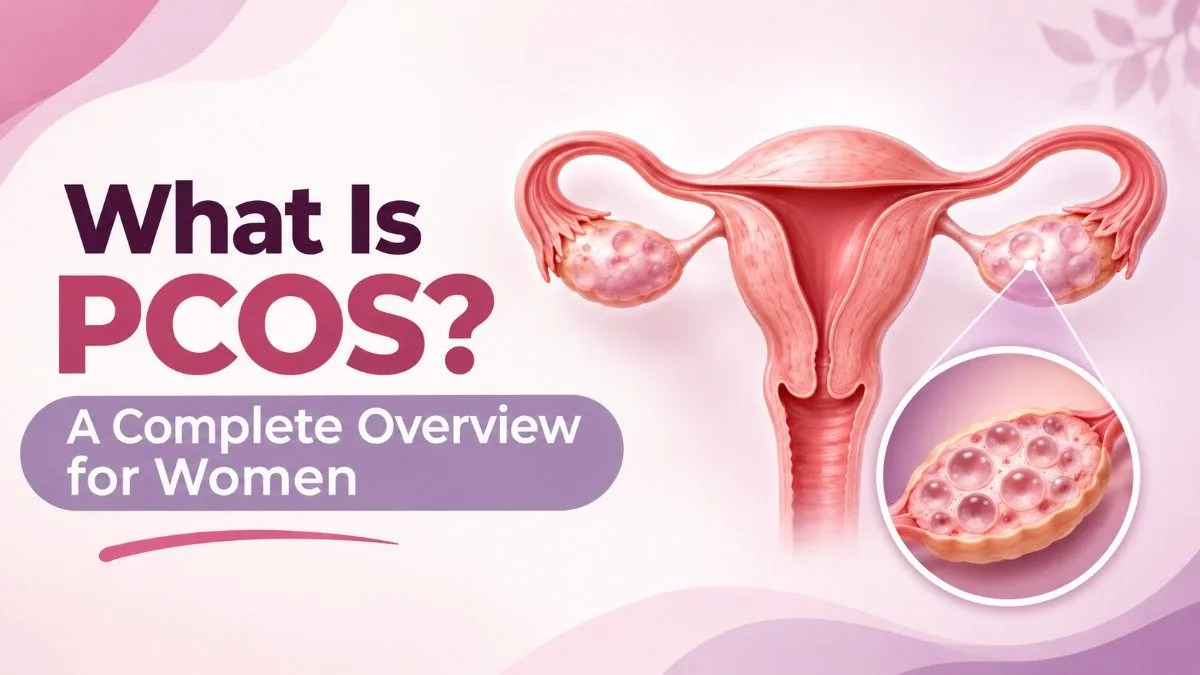
Polycystic Ovary Syndrome (PCOS) is a hormonal and metabolic condition that can affect ovulation, menstrual cycles, androgen levels, and metabolic health.
Common features may include irregular periods, excess facial or body hair, acne, thinning of scalp hair, and difficulty with ovulation. However, symptoms can vary considerably from one person to another.
In teenagers, some of these changes can overlap with normal puberty. This is why having one symptom alone does not necessarily mean a teenager has PCOS.
Can Teenagers Get PCOS?
Yes, teenagers can have PCOS. However, diagnosing PCOS during adolescence can be more challenging than diagnosing it in adults because menstrual irregularity, acne, and hormonal changes can naturally occur during puberty.
The timing of menstrual irregularity is important. During the first year after the first period, irregular cycles can be a normal part of pubertal development. After that, persistent or significant menstrual irregularities may need further assessment.
For adolescents, current guidelines recommend looking for both ovulatory or menstrual dysfunction and clinical or biochemical hyperandrogenism after excluding other possible causes. Teenagers who have some PCOS features but do not meet the full diagnostic criteria may instead be considered at increased risk and followed over time.
Common Symptoms in Teenage Girls
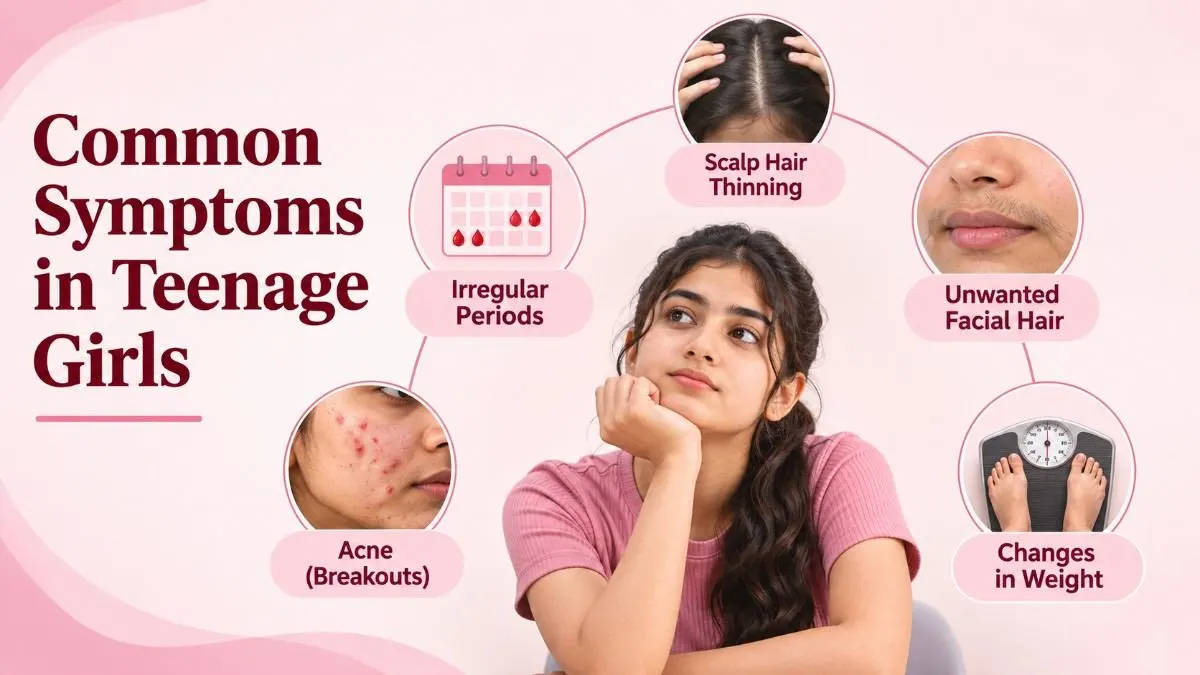
PCOS symptoms in teenage girls can vary. Some may have several features, while others may have only one or two.
Irregular periods
Periods may be widely spaced, unpredictable, or absent for extended periods. Some irregularity can be normal soon after the first period, but persistent or significant menstrual irregularities should be evaluated.
Persistent or severe acne
Acne is common during puberty, so acne alone does not indicate PCOS. However, persistent or severe acne, particularly when combined with other signs of androgen excess, may warrant further assessment.
Excess facial or body hair
Increased hair growth on areas such as the face, chest, abdomen, or back can be a sign of elevated androgen activity. In adolescents, significant hirsutism is more relevant when assessing possible hyperandrogenism.
Scalp hair thinning
Some teenagers may experience hair thinning or a change in hair density. While this can have several causes, it may sometimes occur alongside androgen excess.
Changes in weight and metabolic health
Some teenagers with PCOS may experience weight gain or have metabolic risk factors. However, PCOS can occur at any body size, so body weight alone should never be used to diagnose the condition.
How PCOS Is Diagnosed in Adolescents
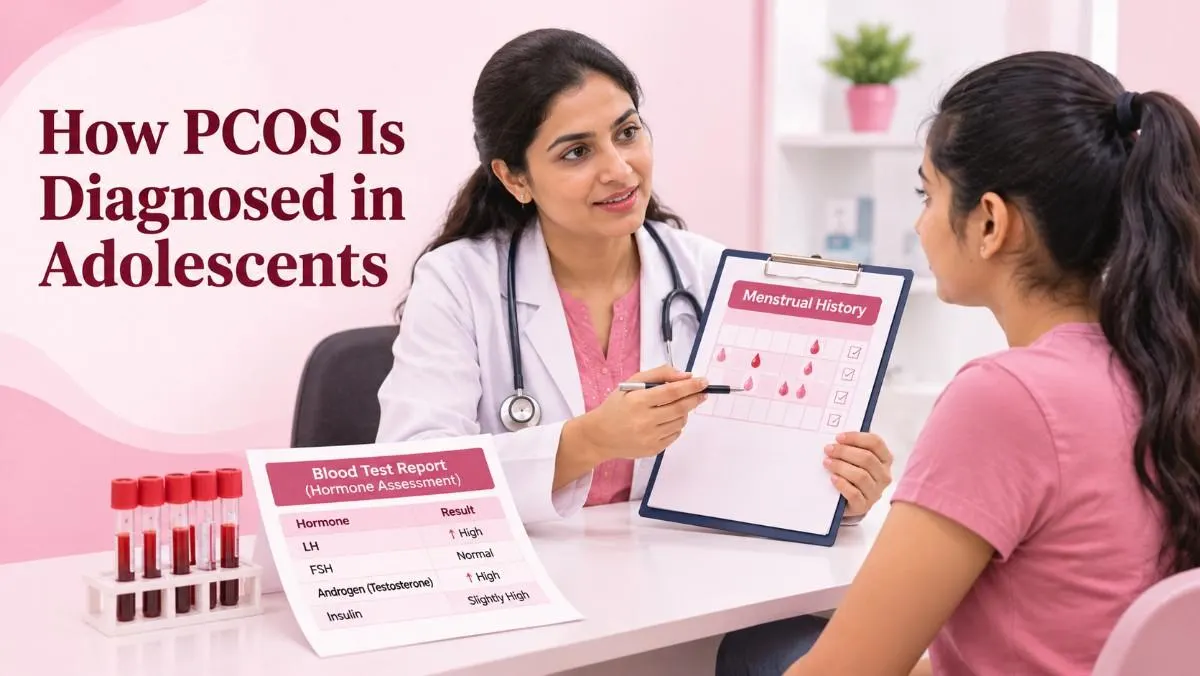
There is no single test that can confirm PCOS in a teenager.
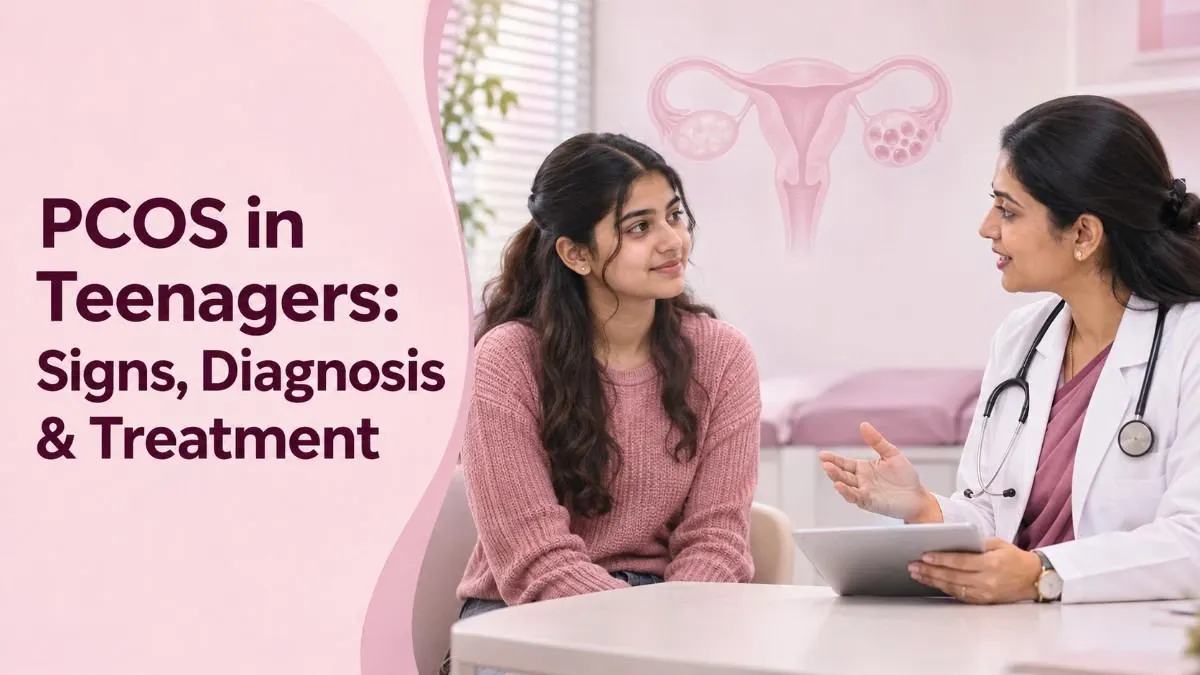
Doctors usually begin by reviewing menstrual history, symptoms, physical findings, medical history, and signs of androgen excess. Blood tests may be used to assess hormone levels and rule out other conditions that can cause similar symptoms.
For biochemical hyperandrogenism, current guidelines recommend assessing total and free testosterone. Other androgen tests, such as DHEAS or androstenedione, may be considered in some situations.
Why ultrasound is not routinely used
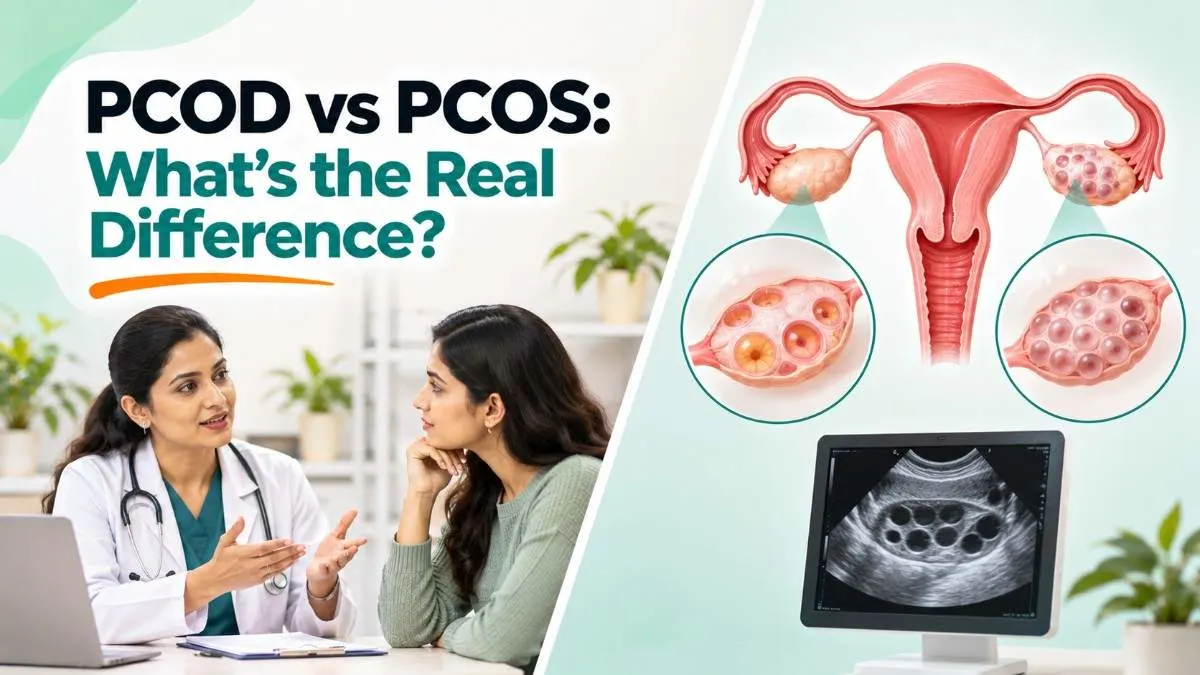
Unlike adult PCOS diagnosis, ovarian ultrasound is not recommended for diagnosing PCOS in adolescents because there are no sufficiently reliable criteria for defining polycystic ovarian morphology during this stage of development. AMH is also not recommended as a diagnostic test for PCOS in adolescents.
This helps prevent normal pubertal ovarian changes from being incorrectly interpreted as PCOS.
Other conditions may need to be ruled out
Symptoms similar to PCOS can occur with other hormonal or medical conditions. Depending on the symptoms and examination, a doctor may recommend additional tests to identify or rule out other possible causes.
This is why a proper clinical assessment is more useful than relying on a single symptom, blood test, or ultrasound result.
Treatment Approach for Teens

Treatment for teenage PCOS is personalised according to symptoms, metabolic health, emotional wellbeing, and individual needs.
The goal is not simply to treat a hormone level. It is to manage symptoms, support overall health, and reduce potential long-term health risks.
Healthy lifestyle habits
Regular physical activity, balanced nutrition, adequate sleep, and sustainable daily routines can support overall health and metabolic wellbeing.
Lifestyle changes should focus on healthy habits rather than restrictive dieting or weight-based pressure. PCOS management should also take body image and emotional wellbeing into account.
Managing irregular periods
When periods are persistently irregular, a doctor may recommend treatment to regulate cycles and protect the uterine lining.
Combined oral contraceptive pills may be considered for menstrual irregularity and symptoms related to androgen excess when medically appropriate.
Managing acne and excess hair
Acne, unwanted facial or body hair, and other androgen-related symptoms can be managed through appropriate medical and cosmetic treatments.
The treatment chosen depends on the severity of symptoms, the teenager's overall health, and individual circumstances.
Supporting metabolic health
Some teenagers with PCOS may have metabolic risk factors. Depending on individual needs, doctors may assess blood glucose and other metabolic markers.
Metformin may be considered in some adolescents, particularly when metabolic features are present or when other treatment goals make it appropriate.
PCOS, Puberty and Diagnosis
One of the biggest challenges with PCOS in adolescents is distinguishing persistent PCOS features from normal pubertal development.
For example, irregular periods can occur naturally after menarche, and acne is extremely common during adolescence. This means a teenager should not be diagnosed with PCOS based on these features alone.
If a teenager has some features of PCOS but does not meet the diagnostic criteria, healthcare professionals may consider them at increased risk and recommend reassessment later rather than making an immediate diagnosis.
This approach can help avoid both underdiagnosis and unnecessary diagnosis during a period of significant hormonal change.
Long-Term Outlook for Fertility
PCOS can affect ovulation, which may make it more difficult for some women to become pregnant. However, having PCOS as a teenager does not mean that future fertility is lost.
Many people with PCOS are able to conceive naturally, while others may need support with ovulation or fertility treatment later in life.
Managing menstrual irregularity, metabolic health, and other PCOS-related symptoms during adolescence can help support overall health as a person moves into adulthood.
Importantly, fertility should not be the only focus of PCOS care during the teenage years. Emotional wellbeing, menstrual health, metabolic health, and quality of life are also important parts of long-term management.
When Should a Teenager See a Doctor?
A healthcare professional can help evaluate symptoms when a teenager experiences:
Persistent or significant irregular periods
Very long gaps between periods
Severe or persistent acne
New or significant facial or body hair growth
Scalp hair thinning
Unexplained or significant changes in weight
Other symptoms causing concern about hormonal health
Early evaluation does not necessarily mean a teenager has PCOS. It simply helps identify whether the symptoms are part of normal puberty or whether further assessment is needed.
Conclusion
PCOS can affect teenagers, but diagnosing it during adolescence requires more than looking at one symptom. Irregular periods, acne, or changes in body weight can occur during normal puberty, so a careful assessment is important.
Understanding the signs of PCOS in teenagers can help families recognise when medical evaluation may be appropriate. With accurate diagnosis, personalised treatment, and ongoing support, PCOS can be managed throughout adolescence and into adulthood.