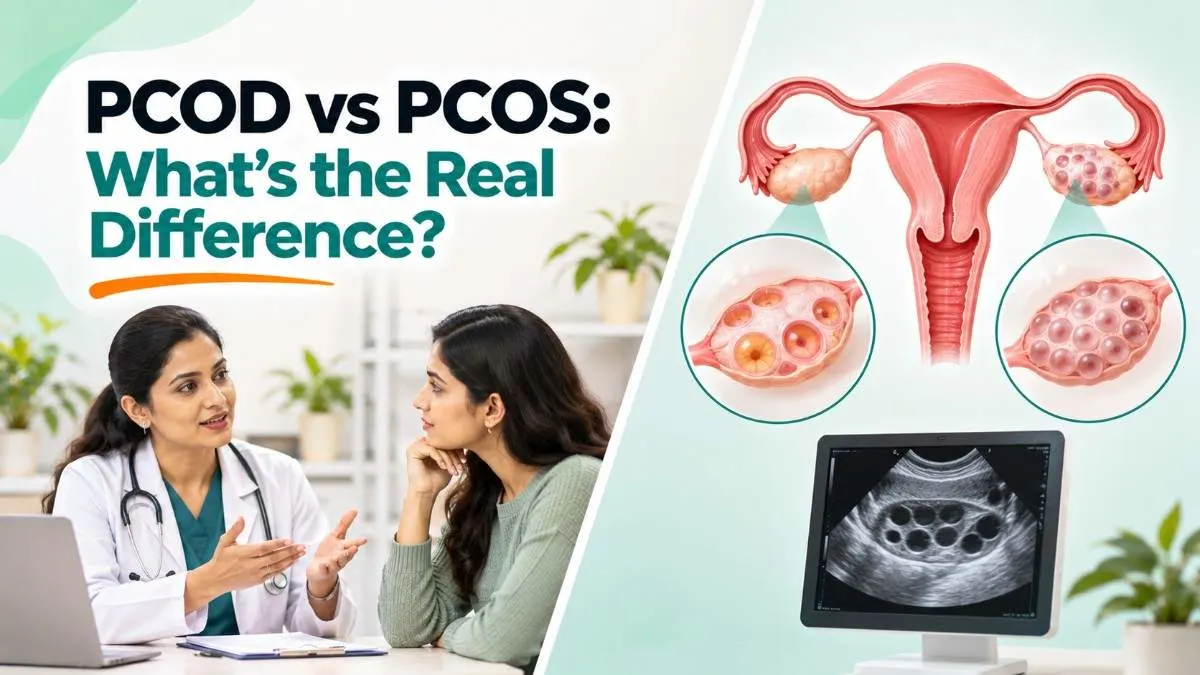
PCOD and PCOS are often treated as two names for the same condition. Both are associated with irregular periods, acne, unwanted hair growth, weight changes, hormonal imbalance, and fertility concerns, so the confusion is understandable.
But there is an important distinction. PCOS, or polycystic ovary syndrome, is a recognised hormonal and metabolic syndrome with established diagnostic criteria. PCOD, or polycystic ovarian disease, is a term that is used less consistently and does not have the same standardised diagnostic definition.
That difference matters because PCOS can affect much more than the ovaries. It can influence ovulation, androgen levels, insulin metabolism, fertility, and long-term metabolic health.
Understanding PCOD vs PCOS can help you make sense of your symptoms, test results, and treatment options without relying on common myths or an ultrasound report alone.
PCOD and PCOS: are they the same?
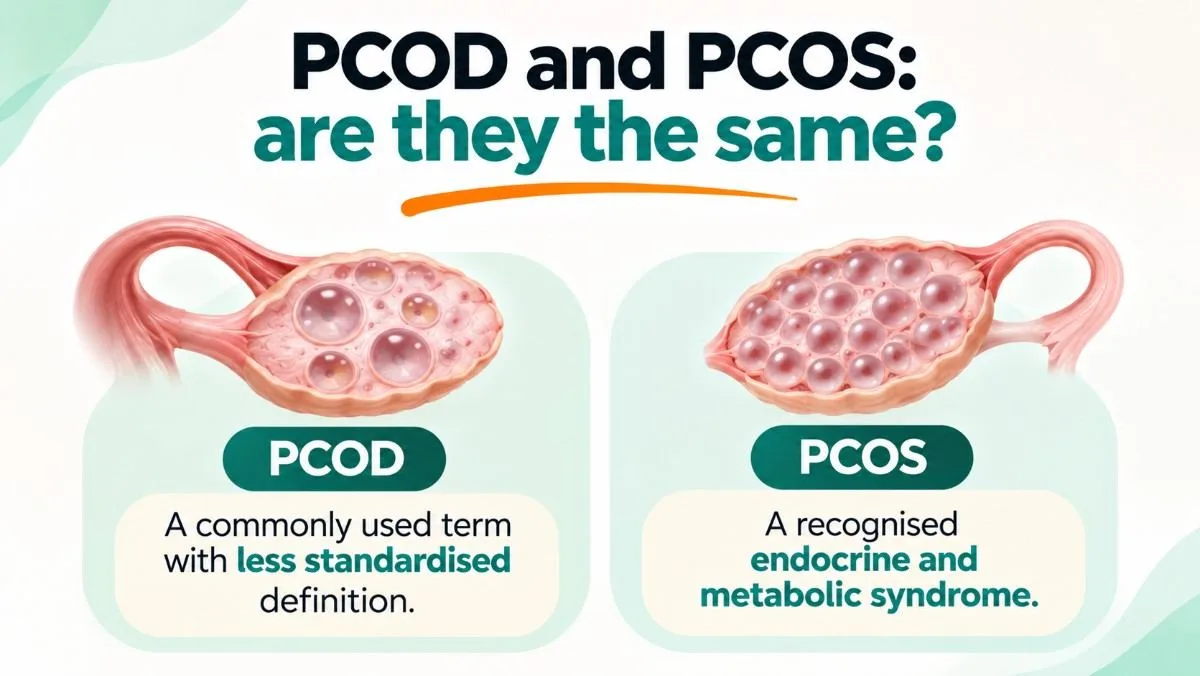
No. Although the terms are frequently used interchangeably, they should not automatically be considered identical.
PCOD is commonly used to describe ovarian and hormonal changes in which follicles may not mature and ovulation may become irregular. Because the term is not consistently defined, what one person is told is "PCOD" may not necessarily mean the same thing in another clinical setting.
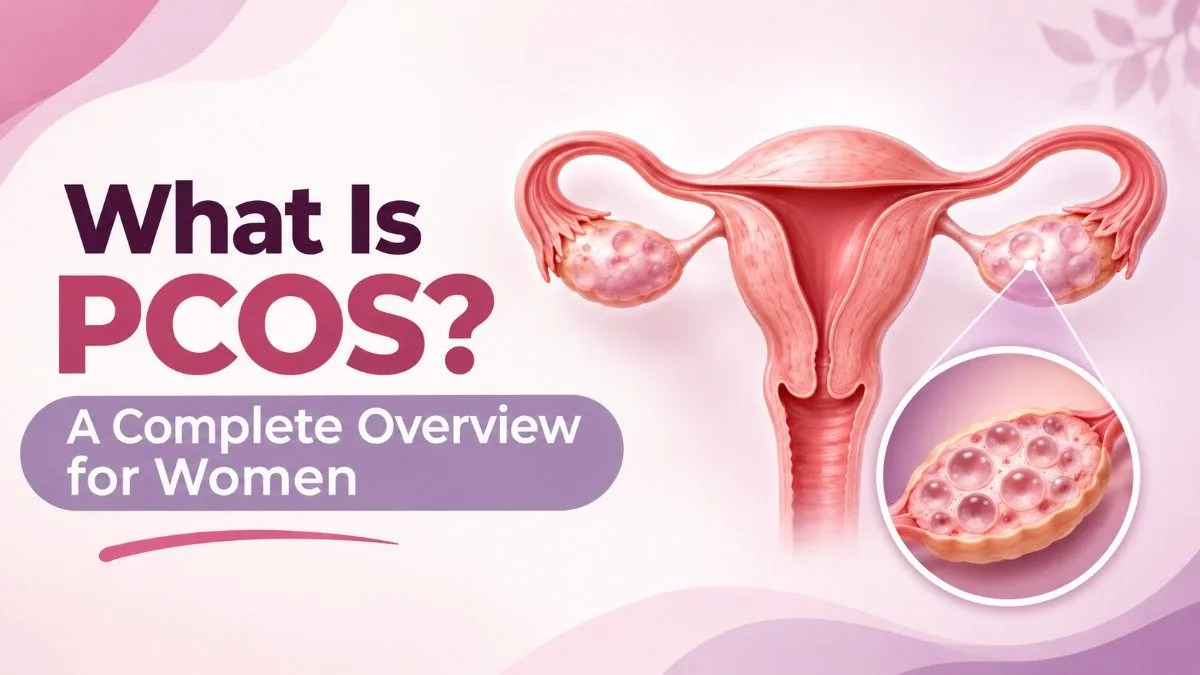
PCOS, in contrast, is a recognised endocrine condition. It is typically characterised by a combination of ovulatory dysfunction, androgen excess, and polycystic ovarian morphology in some women. Not every woman with PCOS has polycystic-looking ovaries, and ovarian cysts are not required for the diagnosis.
This is one of the most important things to understand about the name. "Polycystic" does not mean that a woman must have ovarian cysts.
The small structures seen on an ultrasound are generally follicles at different stages of development. Their appearance is only one possible part of a PCOS assessment.
Key differences in causes and severity
The difference between PCOD and PCOS is better understood by looking at how the terms are defined, rather than simply calling one "mild" and the other "severe".
PCOD is often described in relation to ovarian function, irregular follicle development, and hormonal changes. Lifestyle factors may influence symptoms in some women.
PCOS is a broader disorder involving reproductive hormones and metabolic health. Genetics, insulin resistance, androgen excess, and altered hormonal signalling may all contribute to its development. PCOS also runs in families, particularly among women with a family history of PCOS or type 2 diabetes.
Ovulation and fertility
Ovulation is one of the main reasons PCOS can affect fertility.
When ovulation happens regularly, an egg is released and can potentially be fertilised. With PCOS, ovulation may be irregular or absent, which can make conception more difficult.
This does not mean that women with PCOS cannot become pregnant. PCOS-related infertility is often linked to irregular ovulation, and fertility treatment can help many women conceive.
The term PCOD is often associated with less severe disruption of ovulation, with some women continuing to ovulate and conceive naturally. However, because PCOD is not a standardised diagnosis, it is not medically appropriate to assume that every woman labelled with PCOD will have the same fertility outlook.
Insulin resistance and metabolic health
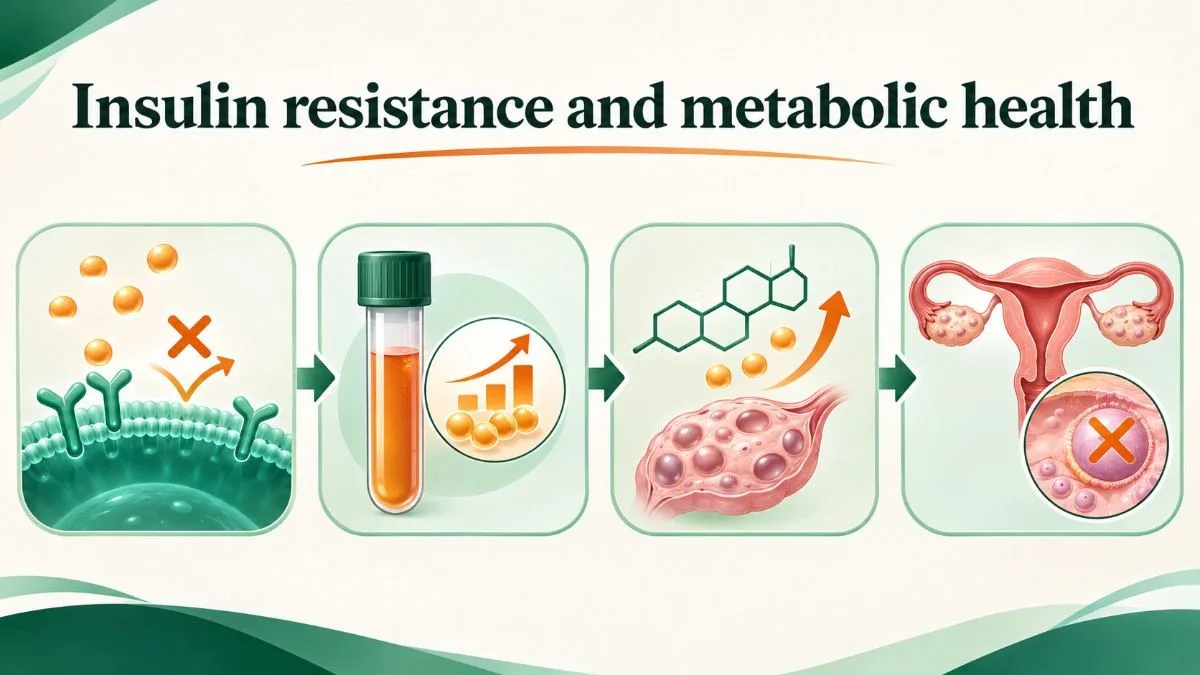
One of the clearest features that distinguishes PCOS as a broader health condition is its relationship with metabolic health.
Insulin resistance means that the body's cells do not respond normally to insulin. The body may compensate by producing more insulin, and higher insulin levels can contribute to increased androgen activity and disrupted ovulation.
Women with PCOS have a higher risk of insulin resistance, impaired glucose regulation, type 2 diabetes, and obesity.
However, insulin resistance is not limited to women living with obesity. PCOS can affect women across different body sizes, so weight alone cannot determine whether someone has the condition.
Long-term health risks
PCOS can have consequences beyond menstrual and fertility symptoms.
Women with PCOS have a higher risk of metabolic conditions such as type 2 diabetes and obesity. They may also have increased cardiovascular risk factors, sleep-related problems, and mental health concerns. Prolonged irregular ovulation can also increase the risk of endometrial hyperplasia and endometrial cancer in some women.
This does not mean that every woman with PCOS will develop these complications. It means that PCOS deserves long-term health monitoring rather than being treated only as a period problem.
Symptom comparison of PCOD and PCOS
PCOD and PCOS can share many symptoms, which is why symptoms alone cannot reliably distinguish between them. Common symptoms may include:
Irregular or delayed periods
Missed periods
Acne or oily skin
Unwanted facial or body hair
Scalp hair thinning
Weight gain or difficulty losing weight
Difficulty becoming pregnant
With PCOS, symptoms related to androgen excess can be particularly noticeable. Higher androgen activity may contribute to excess facial or body hair, persistent acne, oily skin, and scalp hair thinning. Irregular ovulation can lead to unpredictable periods and fertility difficulties.
Some women may also develop acanthosis nigricans, which causes darker, thicker, velvety skin, commonly around the neck or other skin folds. This can be associated with insulin resistance.
The severity of symptoms varies widely. One woman may mainly have irregular periods, while another may have several hormonal and metabolic symptoms at the same time.
Diagnosis and testing
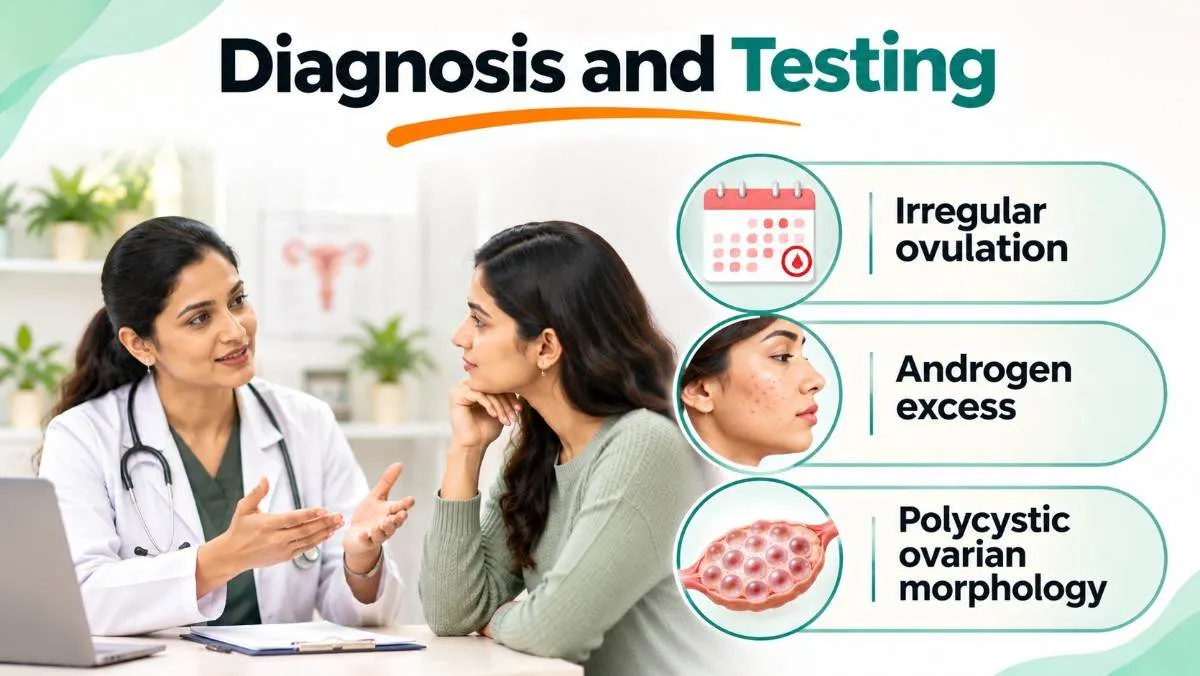
There is no single test that can simply tell you whether you have PCOD or PCOS.
For PCOS in adults, diagnosis is generally based on at least two of three features, after other possible causes have been excluded:
Irregular or absent ovulation
Clinical or biochemical evidence of androgen excess
Polycystic ovarian morphology on ultrasound, with anti-Müllerian hormone also recognised as an alternative way to assess this feature in adults under current guidance
A healthcare professional may review your menstrual history, symptoms, physical examination findings, hormone levels, glucose metabolism, and other relevant health factors.
An ultrasound can provide useful information, but multiple ovarian follicles do not automatically mean that you have PCOS.
Diagnosis also depends on age. Adolescents are assessed differently because irregular cycles and ovarian changes can be part of normal pubertal development. Current guidance does not recommend using polycystic ovarian morphology or AMH alone to diagnose PCOS during adolescence.
PCOD vs PCOS: which one Is more serious?
This is one of the most common questions, but "more serious" is not the most useful way to compare the two.
PCOS is associated with recognised reproductive and metabolic health risks, so it requires attention beyond the management of individual symptoms. However, PCOD is not a sufficiently standardised diagnosis to make a universal statement that every case is mild or harmless.
The severity of a woman's actual health concerns depends on factors such as menstrual function, androgen levels, metabolic health, fertility goals, body composition, family history, and other medical conditions.
In other words, the diagnosis should be understood from the clinical picture, not from the label alone.
Treatment approach for PCOD and PCOS

Treatment should always be based on the underlying problem, symptoms, health risks, and reproductive goals.
Lifestyle management
Healthy lifestyle habits are an important part of PCOS care.
A balanced eating pattern that includes vegetables, whole grains, high-fibre foods, adequate protein, and healthy fats can support overall metabolic health. Regular physical activity can improve insulin sensitivity and cardiovascular fitness.
Lifestyle management is beneficial even when weight loss does not occur. For women who are overweight, modest weight reduction may improve some metabolic and reproductive outcomes, but treatment should not focus solely on the number on the scale.
Adequate sleep, stress management, and sustainable routines also support long-term health.
Medical management
Medical treatment is personalised according to the symptoms being addressed.
For women with PCOS who are not trying to conceive, hormonal treatment may be used to manage menstrual irregularity and androgen-related symptoms. Metformin may be considered in appropriate women, especially when metabolic concerns are present.
For women trying to become pregnant, treatment may focus on restoring or improving ovulation and supporting fertility. Appropriate fertility treatment depends on the individual's evaluation and reproductive goals.
Someone who has been labelled as having PCOD may also need treatment for menstrual or hormonal symptoms. However, persistent symptoms should be properly evaluated instead of assuming that lifestyle changes alone will resolve them.
Which one do you have?
If you have been told that you have PCOD or PCOS, the most useful question is not simply "Which one is worse?" It is "What findings led to my diagnosis?"
Ask whether the diagnosis was based on irregular periods, symptoms of androgen excess, blood test results, an ultrasound finding, or a combination of these factors.
This matters because PCOD is used inconsistently, while PCOS has established diagnostic criteria.
If you have irregular periods along with acne, excess facial hair, scalp hair thinning, unexplained metabolic changes, or difficulty becoming pregnant, a healthcare professional can assess the complete picture and determine whether PCOS or another condition may be responsible.
Our personalised metabulix health programs focus on practical nutrition and sustainable lifestyle changes that support better metabolic health and long-term wellbeing.
When to see a doctor?
Persistent menstrual irregularity should not always be dismissed as a normal hormonal fluctuation.
Consider seeking medical advice if your periods are repeatedly irregular or absent, you develop persistent acne or unwanted facial or body hair, you notice significant scalp hair thinning, or you are having difficulty becoming pregnant.
Medical evaluation is also important when an ultrasound report shows multiple ovarian follicles and you are told that this automatically means you have PCOS.
Getting the right diagnosis can help identify the underlying cause of your symptoms and determine whether metabolic screening or long-term follow-up is needed.
Conclusion
The PCOD vs PCOS comparison is often simplified into "mild ovarian problem versus severe hormonal disorder", but the reality is more nuanced.
PCOD is a commonly used but less standardised term, while PCOS is a recognised endocrine and metabolic syndrome with established diagnostic criteria. PCOS can affect ovulation, hormones, fertility, glucose metabolism, and long-term health.
At Metabulix, we believe in a personalised approach to metabolic health, helping women understand their hormonal health, nutrition, and individual metabolic needs.
The most important step is therefore not choosing between two labels. It is understanding what is happening in your body, confirming the diagnosis appropriately, and getting treatment based on your individual symptoms and health goals.