
Diabetes doesn't usually begin with a medical emergency.
For many men, it starts with changes that seem too ordinary to be taken seriously. Feeling tired after a normal workday, waking up more often during the night, gaining weight around the waist, or noticing changes in sexual performance are often blamed on stress, ageing, or an unhealthy routine.
The challenge is that these symptoms rarely appear together overnight. They develop gradually, making it easy to dismiss them as part of everyday life. By the time diabetes is diagnosed, high blood sugar may already have been affecting the body for months or even years.
Understanding these early warning signs is important because diabetes doesn't just affect blood sugar. Left untreated, it can gradually damage the heart, kidneys, eyes, nerves, and blood vessels while also affecting a man's energy levels, metabolism, and sexual health.
Recognising the diabetes symptoms in men early allows treatment to begin before these complications develop, improving both long-term health and quality of life.
Why Is Diabetes Happening More in Men?
The growing number of diabetes cases among men isn't due to a single cause. It's the result of lifestyle, body composition, genetics, and metabolic health working together.
One of the biggest contributors is abdominal obesity. Fat stored around the waist behaves differently from fat stored elsewhere in the body. It releases inflammatory chemicals that reduce the body's sensitivity to insulin, making it harder for glucose to move from the bloodstream into the cells.
Modern lifestyles make this problem even worse.
Long working hours, prolonged sitting, irregular meal timings, processed foods, poor sleep, chronic stress, smoking, and alcohol consumption all increase the risk of developing insulin resistance.
Many men also postpone routine health check-ups unless symptoms become severe. Since diabetes develops gradually, mild symptoms are often ignored until complications become noticeable.
Having a family history of diabetes, high blood pressure, obesity, or high cholesterol further increases the risk, making regular screening especially important.
Common Diabetes Symptoms in Men
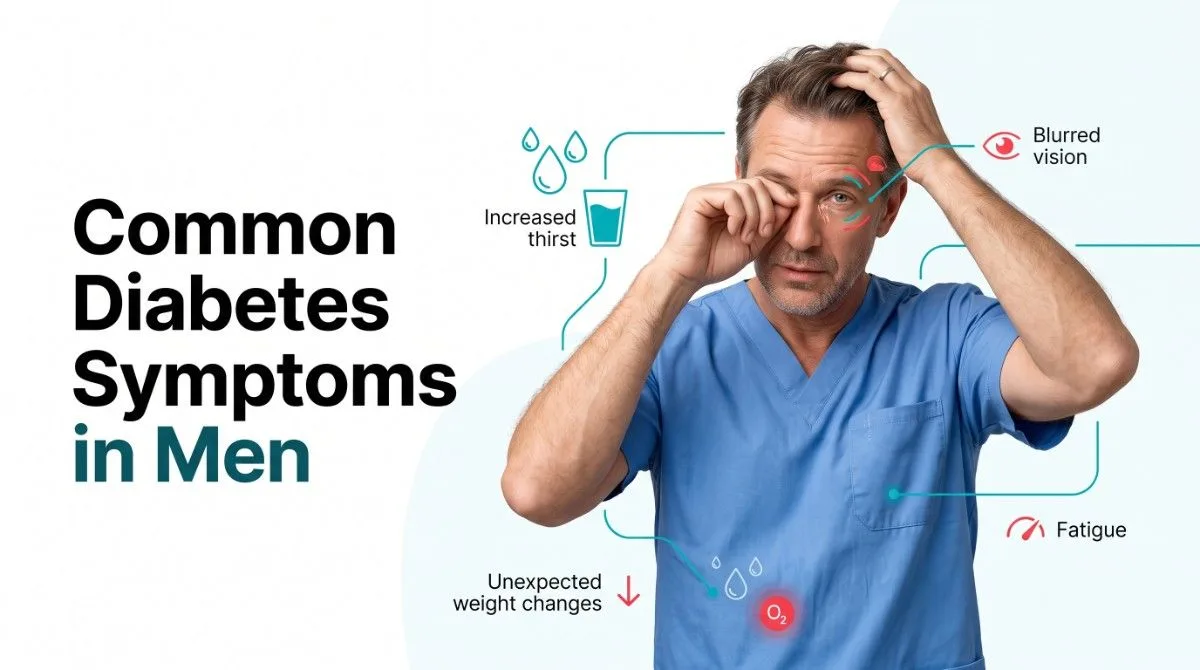
The earliest symptoms of diabetes are often subtle. Instead of making you feel seriously ill, they slowly begin changing how your body functions every day.
1. Constant Fatigue
Feeling tired after physical activity is expected.
Feeling exhausted despite getting enough sleep is not.
When blood sugar remains high, glucose struggles to enter the body's cells because insulin isn't working efficiently. Although there's plenty of sugar in the bloodstream, the muscles and organs don't receive the energy they need.
As a result, many men notice persistent tiredness, difficulty concentrating, reduced productivity, and slower recovery after physical activity. Fatigue is often dismissed as work-related stress, making it one of the most commonly overlooked diabetes symptoms.
2. Frequent Urination and Increased Thirst
One of the earliest physical signs of diabetes is needing to urinate more frequently, particularly during the night.
This happens because the kidneys attempt to remove excess glucose from the bloodstream. As glucose passes into the urine, it draws water along with it, causing increased urine production.
The more fluid the body loses, the stronger the feeling of thirst becomes.
Many men don't notice this pattern immediately. They simply find themselves drinking more water than before, carrying a water bottle more often, or waking up repeatedly at night without understanding why.
3. Unexpected Weight Changes
Unexplained changes in body weight can also signal problems with blood sugar regulation.
During the early stages of Type 2 diabetes, insulin resistance often promotes fat storage, particularly around the abdomen.
However, if diabetes progresses and glucose can no longer be used efficiently for energy, the body begins breaking down fat and muscle instead. This may lead to gradual weight loss despite maintaining the same diet.
Whether the weight is increasing or decreasing unexpectedly, it shouldn't be ignored.
4. Blurred Vision
High blood sugar doesn't only affect internal organs. It can also temporarily change your eyesight.
Elevated glucose alters the fluid balance inside the eye's lens, making it difficult to focus properly. Some men notice that their vision becomes blurry at certain times of the day or that their glasses no longer seem as effective.
While these changes may improve once blood sugar is controlled, persistent high glucose levels can eventually damage the retina if left untreated.
Diabetes and Erectile Dysfunction
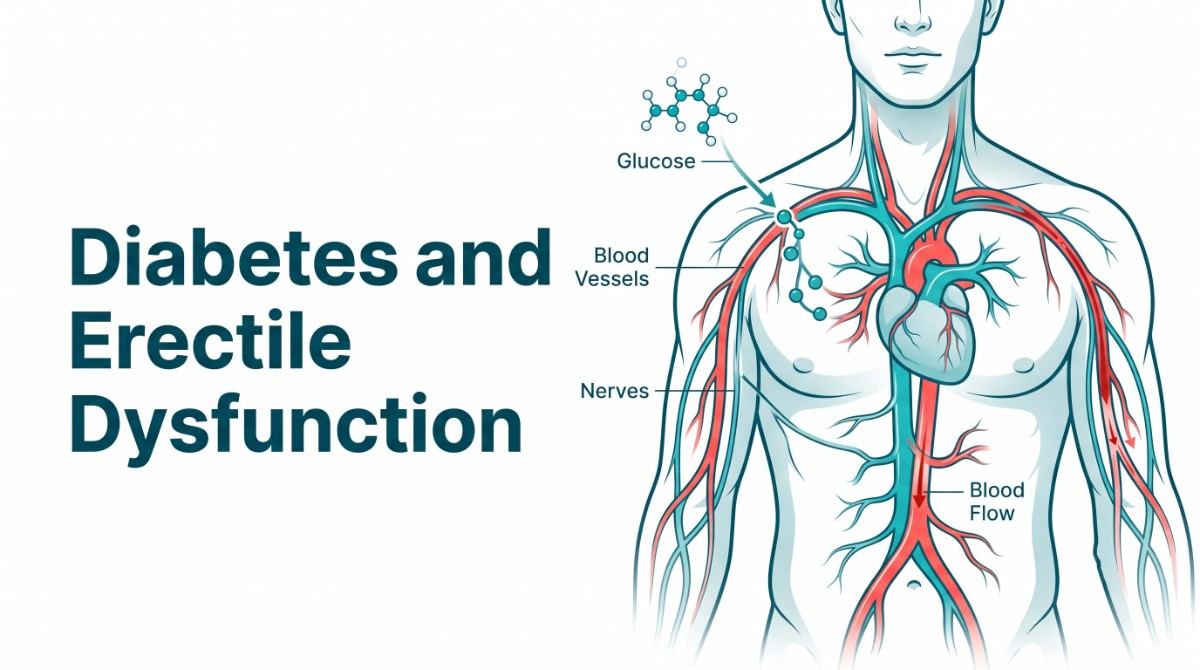
Changes in sexual health are among the most sensitive diabetes symptoms, yet they are often the least discussed.
Many men assume erectile dysfunction is simply a natural consequence of ageing. In reality, it can sometimes be one of the earliest signs of undiagnosed diabetes.
A healthy erection depends on adequate blood flow, properly functioning nerves, and balanced hormone levels.
Persistently high blood sugar gradually damages blood vessels, reducing blood flow to the penis. At the same time, it may injure the nerves responsible for sexual stimulation and interfere with normal testosterone production.
Because these changes develop slowly, erectile dysfunction may initially appear as erections that are less firm, don't last as long, or occur less frequently than before.
When erectile dysfunction appears alongside fatigue, increased thirst, frequent urination, or unexplained weight changes, diabetes should always be considered as a possible underlying cause rather than assuming the problem is purely age-related.
Silent Symptoms Men Often Overlook

Not every symptom of diabetes is obvious.
In fact, some of the earliest warning signs have nothing to do with thirst or frequent urination. They appear gradually and are often mistaken for unrelated health problems, allowing diabetes to remain undiagnosed for much longer.
1. Slow-Healing Cuts and Wounds
Have you noticed that even a small cut or shaving nick seems to take longer to heal than it used to?
High blood sugar affects blood circulation and weakens the immune system. This makes it harder for oxygen and nutrients to reach damaged tissues, slowing the body's natural healing process.
Cuts, blisters, or minor injuries may heal more slowly and become infected more easily. While delayed healing doesn't always indicate diabetes, it's an important symptom when combined with other warning signs.
2. Frequent Infections
Persistently high blood sugar creates an environment where bacteria and fungi grow more easily.
As diabetes also weakens the body's immune response, some men begin experiencing repeated skin infections, fungal infections, urinary tract infections, or gum problems without realising that uncontrolled blood sugar could be the underlying cause.
If infections keep returning despite proper treatment, it's worth discussing diabetes screening with your doctor.
3. Dark Patches of Skin
Dark, thickened patches of skin around the neck, underarms, or groin are often dismissed as poor hygiene or sun exposure.
However, this condition, known as acanthosis nigricans, is commonly associated with insulin resistance.
Doctors often recognise it as one of the earliest visible signs that the body is struggling to use insulin effectively, sometimes even before Type 2 diabetes is diagnosed.
4. Tingling or Numbness in the Hands and Feet
High blood sugar can gradually affect the nerves, particularly those in the hands and feet.
Some men notice occasional tingling, burning sensations, or numbness that comes and goes. Because these symptoms develop slowly, they're often blamed on long working hours, poor posture, or vitamin deficiencies.
Although nerve damage is more common in long-standing diabetes, mild symptoms can begin much earlier if blood sugar remains uncontrolled.
When Should Men Get Screened for Diabetes?

Many people wait until symptoms become severe before seeing a doctor.
Diabetes doesn't work that way.
The earlier it's detected, the easier it becomes to manage and the lower the risk of complications.
You should consider getting screened if you:
Have persistent fatigue, increased thirst, or frequent urination.
Notice unexplained weight gain or weight loss.
Develop erectile dysfunction without another clear cause.
Have a family history of diabetes.
Are overweight, especially with excess fat around the waist.
Have high blood pressure or high cholesterol.
Are 35 years or older, even if you don't have noticeable symptoms.
A simple fasting blood sugar test or an HbA1c test can identify diabetes or prediabetes before serious health problems develop.
Conclusion
Diabetes rarely develops overnight, and neither do its complications.
For most men, the body provides several warning signs long before the condition is diagnosed. Persistent fatigue, increased thirst, frequent urination, unexpected weight changes, blurred vision, erectile dysfunction, or slow-healing wounds may not seem related at first, but together they can indicate rising blood sugar levels.
The sooner diabetes is recognised, the better the chances of preventing complications affecting the heart, kidneys, nerves, eyes, and sexual health.
At Metabulix, we believe effective diabetes care begins with early diagnosis and personalised support through our personalised diabetes management programs. Our team combines evidence-based nutrition, lifestyle guidance, and continuous monitoring to help you achieve sustainable blood sugar control while fitting seamlessly into your everyday life. If you've been experiencing any of these symptoms, don't ignore them. Early action today can help protect your health for years to come.
Frequently Asked Questions
Q: Can diabetes cause erectile dysfunction?
Yes. High blood sugar can damage blood vessels and nerves while also affecting hormone balance, all of which are essential for healthy erectile function. In some men, erectile dysfunction may appear years before diabetes is diagnosed.
Q: What are silent diabetes symptoms in men?
Some commonly overlooked symptoms include slow-healing wounds, recurring infections, blurred vision, tingling or numbness in the hands and feet, dark patches of skin around the neck or underarms, and erectile dysfunction.
Q: Does diabetes affect testosterone levels?
Yes. Men with Type 2 diabetes are more likely to have lower testosterone levels, which may contribute to reduced sex drive, fatigue, decreased muscle mass, and mood changes.
Q: At what age should men get diabetes tested?
Adults aged 35 years and older should undergo regular diabetes screening, especially if they are overweight or have additional risk factors such as a family history of diabetes, high blood pressure, or high cholesterol. Younger men experiencing symptoms should also get tested.
Q: Can diabetes cause hair loss in men?
It can. Poor blood circulation, chronic inflammation, and uncontrolled blood sugar may affect hair growth in some individuals. However, hair loss has many possible causes, so it's important to seek medical evaluation rather than assuming diabetes is the reason.