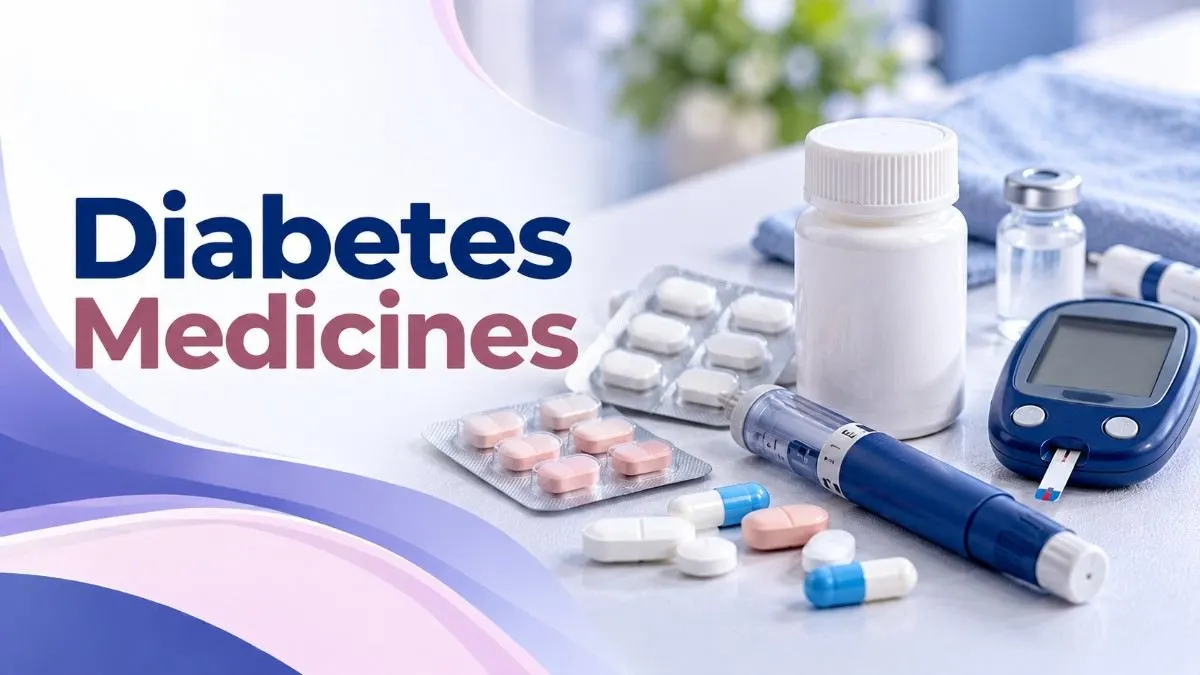
Why can two people with Type 2 diabetes have completely different medicines?
Because there is no single diabetes medicine that works best for everyone.
One person may need medication that mainly improves insulin sensitivity. Another may benefit from a medicine that helps the kidneys remove excess glucose. Someone with cardiovascular or kidney disease may need a drug chosen partly for its protective benefits, while another person may eventually need insulin.
Modern diabetes treatment is therefore less about finding one "best" tablet and more about matching the right treatment to the person's blood sugar, weight, other health conditions, risk of low blood sugar, lifestyle, and individual goals. Current ADA guidance specifically recommends considering these factors when selecting glucose-lowering therapy.
Understanding the main diabetes medicines and how they work can make your prescription easier to understand, but medication should always be selected and adjusted with a healthcare professional.
Overview of Diabetes Medication Types
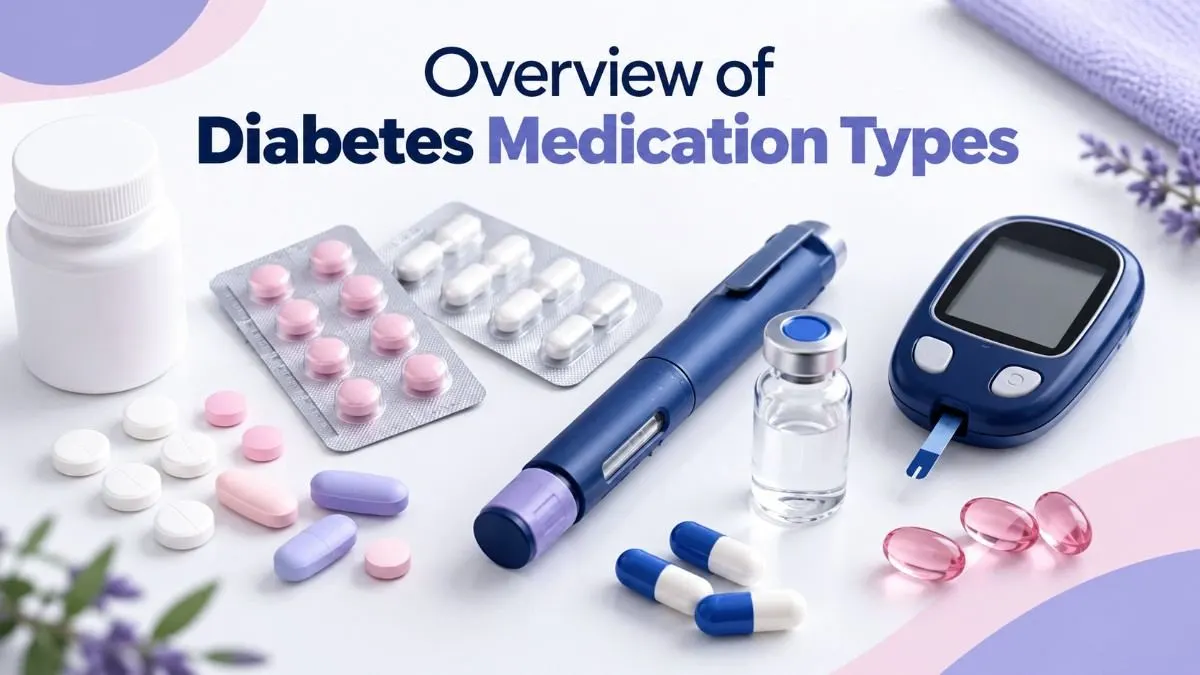
Diabetes medicines work in different ways.
Some help the body use insulin more effectively. Some encourage the pancreas to release more insulin. Others slow the rise in blood glucose after meals or help the kidneys remove glucose through urine.
The major groups used in diabetes care include:
Metformin
Sulfonylureas
SGLT2 inhibitors
DPP-4 inhibitors
GLP-1 receptor agonists
Dual GIP and GLP-1 receptor agonists
Thiazolidinediones
Alpha-glucosidase inhibitors
Insulin
The choice depends on the type of diabetes and the individual's health profile. People with Type 1 diabetes require insulin because their bodies produce little or no insulin. Type 2 diabetes can involve several medication approaches, sometimes in combination.
Oral Diabetes Medications
Metformin
Metformin is one of the most widely used diabetes tablets for Type 2 diabetes.
It mainly reduces the amount of glucose produced by the liver and helps the body use insulin more effectively. It generally does not cause hypoglycemia by itself and is usually weight-neutral or may lead to modest weight loss.
The most common side effects involve the digestive system, including bloating, abdominal discomfort, and diarrhoea. Gradual dose increases and extended-release formulations may reduce these effects.
Long-term use can also be associated with vitamin B12 deficiency, so monitoring may be appropriate in some patients.
Sulfonylureas
Sulfonylureas work by stimulating the pancreas to release more insulin.
They can lower blood glucose effectively, but they can also cause hypoglycemia, particularly when meals, medication, and physical activity are not well balanced. They are also more commonly associated with weight gain than several newer drug classes.
SGLT2 Inhibitors
SGLT2 inhibitors work through the kidneys.
They reduce glucose reabsorption, allowing more glucose to leave the body through urine. Besides lowering blood sugar, specific medicines in this class can provide cardiovascular and kidney benefits for appropriate patients.
Because glucose is being lost through urine, these medicines can increase the risk of genital fungal infections and may contribute to dehydration in some people.
They also have important safety considerations, including the risk of diabetic ketoacidosis in certain circumstances, so they should be taken exactly as prescribed.
DPP-4 Inhibitors
DPP-4 inhibitors help prolong the action of incretin hormones, which support glucose-dependent insulin release and reduce inappropriate glucagon activity.
They are generally weight-neutral and have a relatively low risk of hypoglycemia when used alone.
However, they usually have less glucose-lowering potency than some other medication classes. Current ADA guidance also does not recommend combining a DPP-4 inhibitor with a GLP-1 receptor agonist because there is little additional glucose-lowering benefit.
Injectable Diabetes Medications
Not all diabetes treatment comes in tablet form.
GLP-1 Receptor Agonists
GLP-1 receptor agonists mimic the action of a naturally occurring gut hormone called GLP-1.
They help increase glucose-dependent insulin secretion, reduce glucagon, slow stomach emptying, and increase satiety. Many can also support significant weight loss, making them particularly useful for some people with Type 2 diabetes and obesity.
Nausea, vomiting, diarrhoea, or constipation can occur, particularly when treatment begins or doses are increased.
Dual GIP and GLP-1 Receptor Agonists
Newer medicines that activate both GIP and GLP-1 pathways can improve blood glucose control while also supporting weight management.
Current ADA guidance includes these therapies among higher-efficacy options for appropriate people with Type 2 diabetes, particularly when weight management or other metabolic considerations are important.
These medicines are prescription treatments and are not appropriate for everyone.
Insulin
Insulin is essential for people with Type 1 diabetes because their bodies do not produce enough insulin.
Some people with Type 2 diabetes also need insulin, particularly when blood sugar is very high, symptoms of hyperglycemia are present, or other treatments are not enough. ADA guidance recommends considering insulin in severe hyperglycemia, including when A1C is above 10% or blood glucose is 300 mg/dL or higher, particularly with symptoms or catabolic features.
Insulin can cause hypoglycemia if the dose does not match food intake, activity, or the body's needs. Weight gain can also occur.
How Doctors Choose the Right Diabetes Medicine
Choosing a diabetes medicine isn't simply about asking which drug lowers blood sugar the most.
Your healthcare professional may consider your HbA1c, current glucose levels, body weight, kidney function, cardiovascular health, heart failure risk, liver health, hypoglycemia risk, other medications, cost, and your ability to follow the treatment plan.
For example, adults with Type 2 diabetes and established or high cardiovascular risk may benefit from a GLP-1 receptor agonist or SGLT2 inhibitor with proven cardiovascular benefits, regardless of whether metformin is being used. SGLT2 inhibitors are also particularly important for appropriate people with heart failure or chronic kidney disease.
This is why there is no universal best medicine for Type 2 diabetes.
The best treatment is the one that fits the person's glucose goals and broader health needs.
Can Diabetes Medicines Be Stopped Once Blood Sugar Improves?
Improved blood sugar does not automatically mean your medication is no longer necessary.
A better HbA1c may mean that your current treatment is working. Stopping medication suddenly can cause blood glucose to rise again, and stopping insulin in a person who needs it can be dangerous.
If your glucose has improved significantly, speak to your healthcare professional. They may decide to reduce, change, or sometimes discontinue a medicine based on your results and overall health.
Never change the dose or stop a prescribed diabetes medicine without medical guidance.
Are There Natural Alternatives to Diabetes Medication?
Healthy food, regular physical activity, weight management, adequate sleep, and stress management are important parts of diabetes care.
For some people with Type 2 diabetes, lifestyle changes can meaningfully improve blood glucose and may reduce the amount of medication needed over time.
But "natural" does not automatically mean sufficient.
Diabetes is a metabolic condition, and some people need medication even when they follow a healthy lifestyle. Lifestyle measures should therefore complement medical treatment rather than be presented as a replacement for prescribed medicines.
Conclusion
Modern diabetes medicines work through very different pathways, and that is a good thing. It allows treatment to be tailored to the individual rather than relying on one standard approach.
Metformin, sulfonylureas, SGLT2 inhibitors, DPP-4 inhibitors, GLP-1-based therapies, and insulin all have different benefits, limitations, and safety considerations. The right choice depends not only on blood sugar but also on weight, kidney and heart health, hypoglycemia risk, cost, lifestyle, and personal treatment goals.
The goal of diabetes treatment is not simply to bring one number down. It is to achieve safe, sustainable glucose control while protecting your health in the long term.
At Metabulix, we take this personalised view of diabetes management. Our approach combines evidence-based nutrition and lifestyle guidance with an understanding of your individual metabolic needs, helping you work towards better blood sugar control without treating every patient with the same formula.